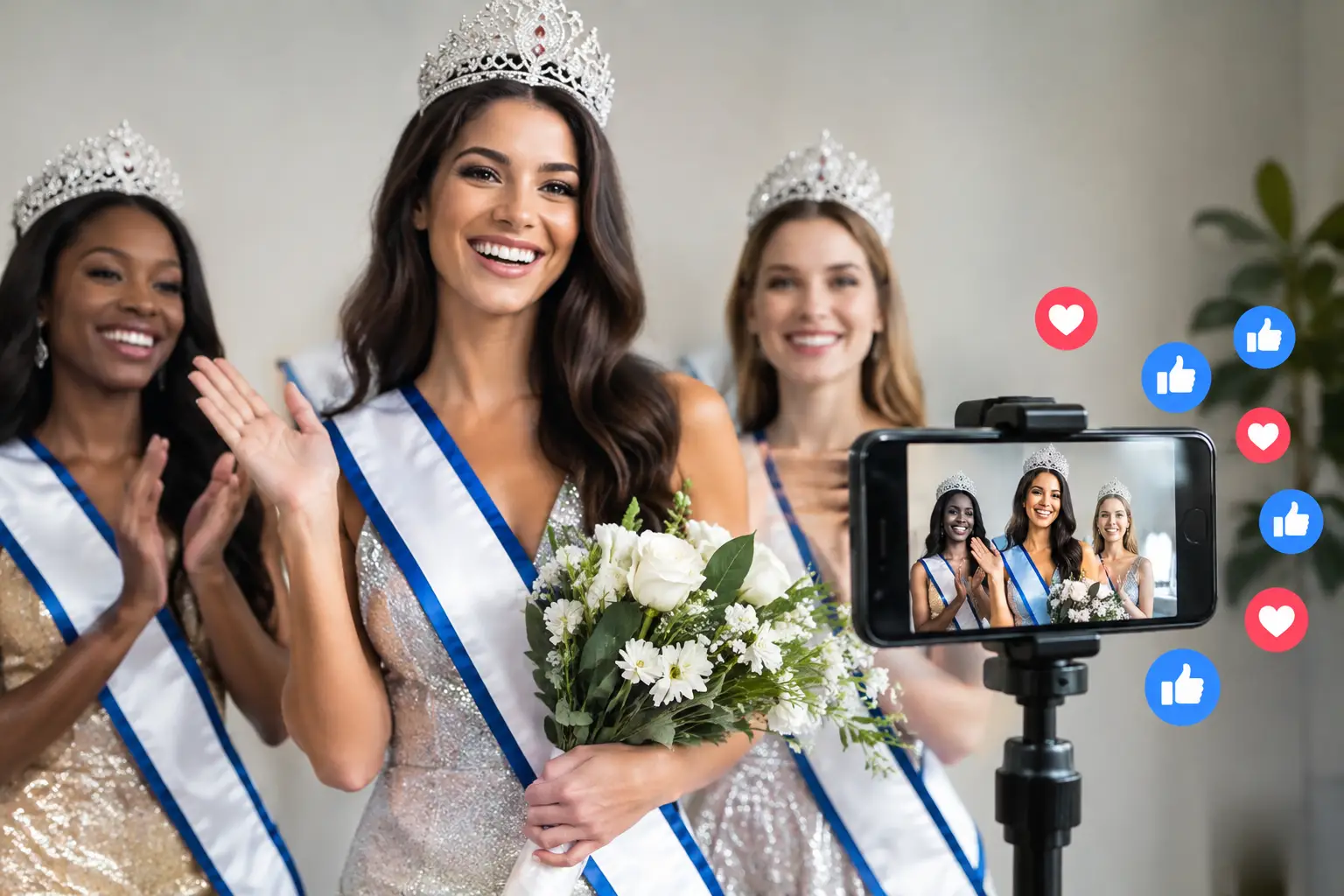
A pageant does not begin when the music rises and the contestants take the stage. It begins the moment someone sees a powerful introduction video, a sparkling crown reveal, or a contestant sharing why she chose to compete. Knowing how to promote a pageant on social media turns those early moments into real momentum – more entries, stronger audience excitement, meaningful sponsor visibility, and a full room for the Grand Finale and Coronation Show.
For a pageant organization, social media should feel like an invitation to something spectacular. The goal is not to post constantly just to fill a feed. It is to build anticipation for an experience defined by glamour, purpose, confidence, and global representation.
Start With a Pageant Story People Want to Follow
The strongest social campaigns give audiences a reason to care before they know every event detail. Your pageant needs a clear story: what the title represents, who can participate, what contestants will experience, and what makes the final moment worth watching.
Frame the pageant as a journey rather than a single date on a calendar. A contestant may begin with an entry announcement, move into preparation and community involvement, arrive for registration and rehearsals, and finally step into the spotlight. Each stage provides content that feels natural, exciting, and personal.
For an international pageant platform, this story can become even more compelling. Celebrate the backgrounds, ambitions, talents, and service goals that bring contestants together. A polished stage matters, but audiences also connect with the determination behind it. Let glamour lead the visual identity while purpose gives every post depth.
Establish a recognizable visual signature
Every post does not need the same design, but it should look like it belongs to the same event. Use a consistent color palette, logo treatment, photo style, and tone of voice. A sophisticated portrait, a bright backstage clip, and a sponsor announcement can all feel connected when they share the same visual standard.
Create a small library of approved templates for entry announcements, contestant spotlights, ticket reminders, countdowns, and partner features. This protects the prestige of the pageant while making it easier for team members and titleholders to publish quickly.
Promote a Pageant on Social Media With a Campaign Calendar
A last-minute posting sprint rarely creates the results a major event deserves. Build a campaign calendar around the moments people naturally want to celebrate, then give each phase a specific purpose.
The early phase is about awareness and entries. Announce divisions, eligibility, key dates, prizes, travel opportunities, and the significance of the title. Make the next step obvious in every piece of content. If someone is inspired to compete, they should immediately understand how to begin.
As registration builds, shift toward social proof. Introduce confirmed contestants, share testimonials from past participants, and highlight the friendships, confidence, and stage experience that come from competing. For parents considering a kids or teen division, reassuring behind-the-scenes content can be especially valuable. Show organization, professionalism, rehearsals, family moments, and the care that goes into the experience.
In the final weeks, the campaign becomes a countdown. Feature rehearsals, arrival moments, sash and crown details, venue excitement, ticket reminders, and short contestant interviews. On event day, publish content that makes followers feel they are close to the action – while still protecting the magic of the live show.
Make Contestants Your Most Powerful Ambassadors
Contestants are not simply featured in your campaign. They are part of the promotional team. Their friends, families, schools, workplaces, and local communities are often the first audiences who will celebrate their journey.
Give each contestant a simple, elegant promotion kit after she enters. Include approved graphics, event hashtags, suggested captions, important dates, and practical guidance for tagging official accounts. The easier you make participation, the more consistently contestants will share.
Avoid making every contestant post sound identical. Generic copy can feel overly promotional and gets overlooked quickly. Instead, offer prompts that invite personal stories: why they entered, what confidence means to them, which cause matters to them, or what representing their community would mean. These posts create genuine connection while extending the pageant’s reach.
Recognition is the reward. Repost contestant announcements, celebrate milestones, and create regular spotlight features across divisions. A parent sharing a proud moment, a Mrs. contestant balancing family and ambition, or a Mr. contestant preparing for the stage each adds dimension to the pageant story.
Prioritize Video That Feels Worth Stopping For
Short-form video is one of the fastest ways to create energy around a pageant, especially when it gives viewers a glimpse of something they cannot experience from a static flyer. Think movement, emotion, detail, and transformation.
A ten-second clip of a crown catching the light can work. So can a contestant practicing her walk, a close-up of sashes being prepared, or the doors opening at the venue. Keep the first seconds visually strong. A viewer should understand the feeling immediately: this is an occasion.
Mix polished footage with authentic moments. A fully produced promotional video establishes prestige, while a spontaneous rehearsal clip or contestant interview makes the event feel accessible. Too much polish can create distance; too much casual content can dilute the brand. The right balance depends on the event stage and audience.
Captions matter because many people watch without sound. Use clear on-screen text for the division, date, city, and action you want viewers to take. Save the longer details for the caption, where interested viewers can learn more without cluttering the video.
Choose Platforms by Purpose, Not Trend
You do not need to be everywhere with the same message. Instagram is a natural home for aspirational imagery, contestant portraits, reels, and countdown graphics. Facebook can be especially useful for families, community supporters, local event information, ticket reminders, and longer updates. TikTok can bring playful, energetic reach when the content still reflects your standards.
The platform should match the audience and the message. A formal sponsor recognition post may perform best in a polished Instagram carousel and a detailed Facebook post. A fast backstage transformation is better suited to short-form video. A contestant’s personal story may deserve a longer caption and a direct, heartfelt introduction.
Monitor direct messages closely during entry and ticket sales periods. Social media often becomes customer service in public view. Quick, gracious answers reinforce that the organization is organized, responsive, and worthy of trust.
Give Sponsors Visibility That Feels Premium
Sponsor content should not feel like an interruption. When done well, it shows supporters that they are part of a prestigious experience and gives future partners a reason to join.
Feature sponsors with professional visuals, clear gratitude, and a specific connection to the pageant. A beauty partner can be shown supporting preparation. A local business can be celebrated for investing in confidence and community. A travel or hospitality partner can be integrated into the excitement of a destination event.
Offer more than one social touchpoint when possible: a pre-event introduction, a behind-the-scenes feature, event-day recognition, and a post-event thank-you. This is more valuable than one generic logo graphic and helps sponsors see the full return on their support.
Use Paid Promotion With a Clear Objective
Organic content builds community, but paid social can extend reach beyond current followers. The key is to promote the right post to the right audience. Do not boost every announcement.
For contestant recruitment, target audiences by relevant age ranges, interests, and geographic areas where eligible participants live. For ticket sales, focus on the event region and nearby communities. For a World Finals event in Fort Lauderdale, a ticket campaign can reach local entertainment audiences while contestant-focused campaigns may need a far wider reach.
Use one message per ad. An entry campaign should emphasize the opportunity to compete. A ticket ad should highlight the live spectacle. A sponsor campaign should speak to brand visibility and alignment. When one ad tries to recruit contestants, sell tickets, and find sponsors at the same time, it usually does none of those jobs well.
Track What Creates Real Momentum
Likes are encouraging, but they are not the full measure of success. Watch for profile visits, direct messages, entry inquiries, ticket clicks, video completion rates, shares, and saves. Shares are especially meaningful because they show that someone believes the content is worth passing along.
Notice which contestant spotlights generate conversation, which videos hold attention, and which calls to action bring questions or registrations. Then adjust. If rehearsal videos outperform formal graphics, make room for more behind-the-scenes content. If parents respond to clear eligibility explanations, turn those answers into a recurring series.
Most of all, protect the experience you are promising. Social media should present the same excellence contestants, families, ticket holders, and partners will feel when they arrive. Build the anticipation with intention, celebrate every person who joins the journey, and let each post carry the excitement of a stage where confidence can become a crown.
Comments are closed