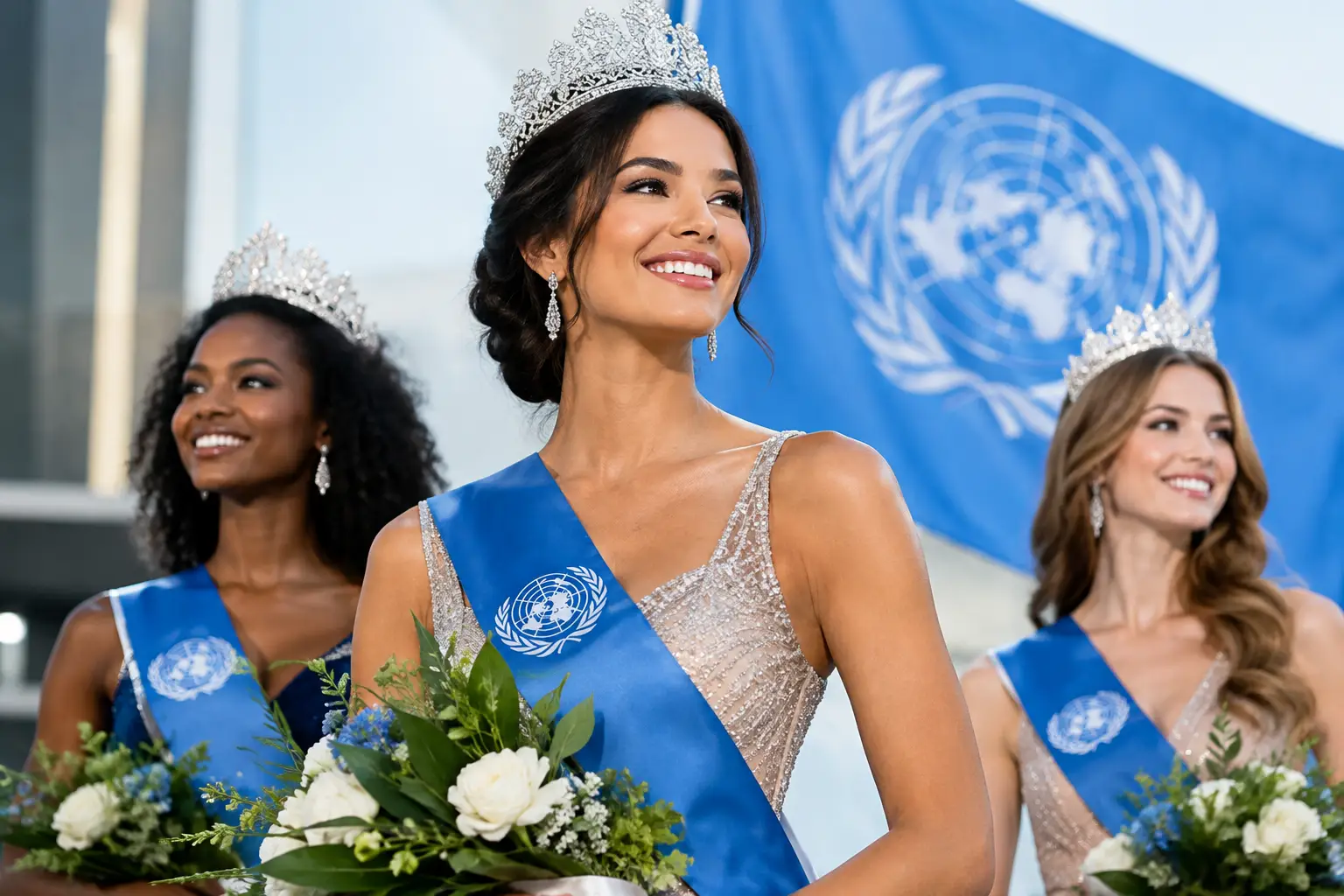
A logo can be seen in seconds. A meaningful pageant partnership can be remembered long after the Grand Finale and Coronation Show. That is the essential difference in pageant sponsorship versus advertising: one buys a message, while the other can create a genuine place for a brand within an extraordinary live experience.
For businesses considering a pageant partnership, the right choice is not always sponsorship. Advertising can be an efficient way to promote a specific offer, fill an appointment calendar, or introduce a product to a broad audience. Sponsorship, however, is built for brands that want visibility with greater context – a connection to achievement, confidence, international representation, and celebration.
Pageant Sponsorship Versus Advertising: The Core Difference
Advertising is paid communication controlled by the advertiser. A business chooses the message, placement, timing, and call to action. It may run through social media, print, email, television, paid search, event programs, or digital screens. Its purpose is usually direct: generate awareness, traffic, leads, or sales.
Sponsorship is an association. A sponsor supports the experience, the competitors, a division, an award, a segment of the show, or the event itself. In return, the sponsor receives agreed-upon recognition and opportunities to be part of the event environment. The brand is not simply speaking to an audience. It is being seen alongside a platform the audience has chosen to care about.
At a high-energy pageant event, that distinction matters. Families, contestants, supporters, ticket holders, and followers are emotionally invested in the outcome. They are celebrating milestones, watching talent and presentation, and sharing a memorable occasion. A well-matched sponsor becomes part of that occasion rather than an interruption within it.
Neither option is automatically superior. The better investment depends on what a business needs to achieve, who it wants to reach, and whether it is prepared to activate the opportunity beyond placing a logo.
When Advertising Is the Better Choice
Advertising is often the stronger option when speed, message control, and immediate conversion matter most. A salon promoting a limited-time service, a boutique announcing a seasonal collection, or a local business opening a new location may need a clear offer delivered repeatedly to a defined audience. Advertising makes that simple.
It is also useful when a brand is still testing its audience. Paid campaigns can be adjusted quickly. A business can change creative, refine targeting, move budget toward the best-performing channel, and measure clicks or inquiries in near real time. That flexibility is valuable when the goal is learning what message produces action.
Advertising works especially well for offers that do not need a large emotional story to be compelling. A discount, a product launch, or a short registration window can stand on its own. The viewer sees the message, understands the next step, and responds if the timing is right.
The trade-off is that advertising competes with everything else asking for attention. People scroll past sponsored content, tune out repetitive messages, and may not remember which business appeared beside the next post. Strong creative and frequent exposure can help, but paid visibility alone does not necessarily create trust or distinction.
When Sponsorship Creates More Value
Sponsorship is ideal when a brand wants to be known for more than its current promotion. A pageant sponsor can connect with an audience through an experience defined by personal ambition, family support, artistry, and public recognition. That connection can be particularly meaningful for brands in beauty, fashion, wellness, education, travel, photography, formalwear, fitness, financial services, community organizations, and family-focused services.
The strongest sponsorships make sense without explanation. A formalwear partner may support red-carpet moments. A wellness brand may align with confidence and preparation. A travel partner may complement the excitement of an international World Finals experience. A business serving parents and young achievers may find natural relevance across Teen and Kids divisions.
For United Nations Pageants, a sponsor has the opportunity to align with a polished global stage that celebrates participants across Miss, Mrs., Ms., Mr., Teen, and Kids divisions. That broad reach can be valuable because a sponsor is not speaking to one narrow life stage. It is meeting contestants, families, supporters, and pageant enthusiasts connected by a shared sense of occasion.
Sponsorship also creates room for hospitality and relationship-building. A brand may welcome guests, provide an experience, present an award, offer a thoughtful contestant benefit, or create a memorable onsite moment. These interactions can carry more weight than a single ad impression because the audience has something tangible to associate with the business.
The trade-off is that sponsorship requires intention. A logo on a screen, by itself, may not justify a meaningful investment. The sponsor should understand the audience, choose assets that fit its goals, prepare its team, and have a plan for following up after the event.
Think Beyond Impressions
Impressions are useful, but they are not the whole story. Advertising is often evaluated by reach, clicks, cost per lead, purchases, and return on ad spend. Those numbers matter because they show whether a campaign is moving people toward action.
Sponsorship should be measured more broadly. Consider brand recognition, qualified conversations, email sign-ups, social engagement, redemption of a sponsor-specific offer, event-day sales, hospitality attendance, and post-event inquiries. For some brands, the value will also appear in content: photographs, video moments, testimonials, and branded experiences that can continue to support marketing after the event lights come down.
A sponsor should decide what success looks like before the agreement is signed. If the goal is lead generation, create an easy way to capture leads. If the goal is awareness, secure prominent visibility and content opportunities. If the goal is trust, prioritize authentic experiences, contestant benefits, and moments where the brand’s values are clear.
Build a Sponsorship That People Actually Notice
The most memorable packages connect a sponsor to a real part of the event. Generic recognition has a place, but relevance is what gives a partnership energy. A sponsor should ask: What can we contribute that makes the experience better for contestants, guests, or families?
That contribution does not always need to be financial. Products, services, prizes, educational resources, hospitality, beauty support, travel assistance, or special activations can add practical value. The best fit depends on the business and the audience. A sponsor should never force an activation that feels unrelated to the pageant or inconvenient for attendees.
Clarity matters just as much as creativity. Both parties should agree on deliverables, timing, usage rights for photos or video, exclusivity within a category when appropriate, onsite logistics, and how results will be reported. A prestigious event deserves polished execution, and clear expectations protect the experience for everyone involved.
It also helps to give people a reason to continue the relationship. A dedicated offer, QR code, sign-up moment, event-only consultation, or social campaign can turn recognition into a next step. The call to action should be simple. Guests should know exactly what to do without feeling pressured during a celebration.
A Smart Approach Can Use Both
The decision does not have to be sponsorship or advertising. Often, the most effective plan combines them. Sponsorship gives a business a credible event connection and original content. Advertising then amplifies that connection before, during, and after the event.
For example, a sponsor can use paid social campaigns to announce its participation, invite followers to attend, feature its event experience, and retarget people who engaged with pageant-related content. The sponsorship supplies the story. Advertising helps the story reach beyond the ballroom and stay visible after the final crown is placed.
This approach is especially valuable when a business wants measurable outcomes from a prestige-focused partnership. The event provides the emotional moment; targeted advertising provides repetition and a direct path to conversion. Together, they can make a brand feel both elevated and accessible.
Choose the Investment That Matches Your Ambition
Choose advertising when your priority is a controlled message, fast testing, and immediate response. Choose sponsorship when you want deeper association, audience goodwill, and a role in an experience people are proud to attend. Choose both when you have a strong partnership story and want to carry it farther.
The most successful brands do not ask only, “How many people will see us?” They ask, “What will people feel when they see us here?” At a pageant built around glamour, purpose, and worldwide celebration, that answer can become the beginning of a relationship worth far more than an impression.
Comments are closed