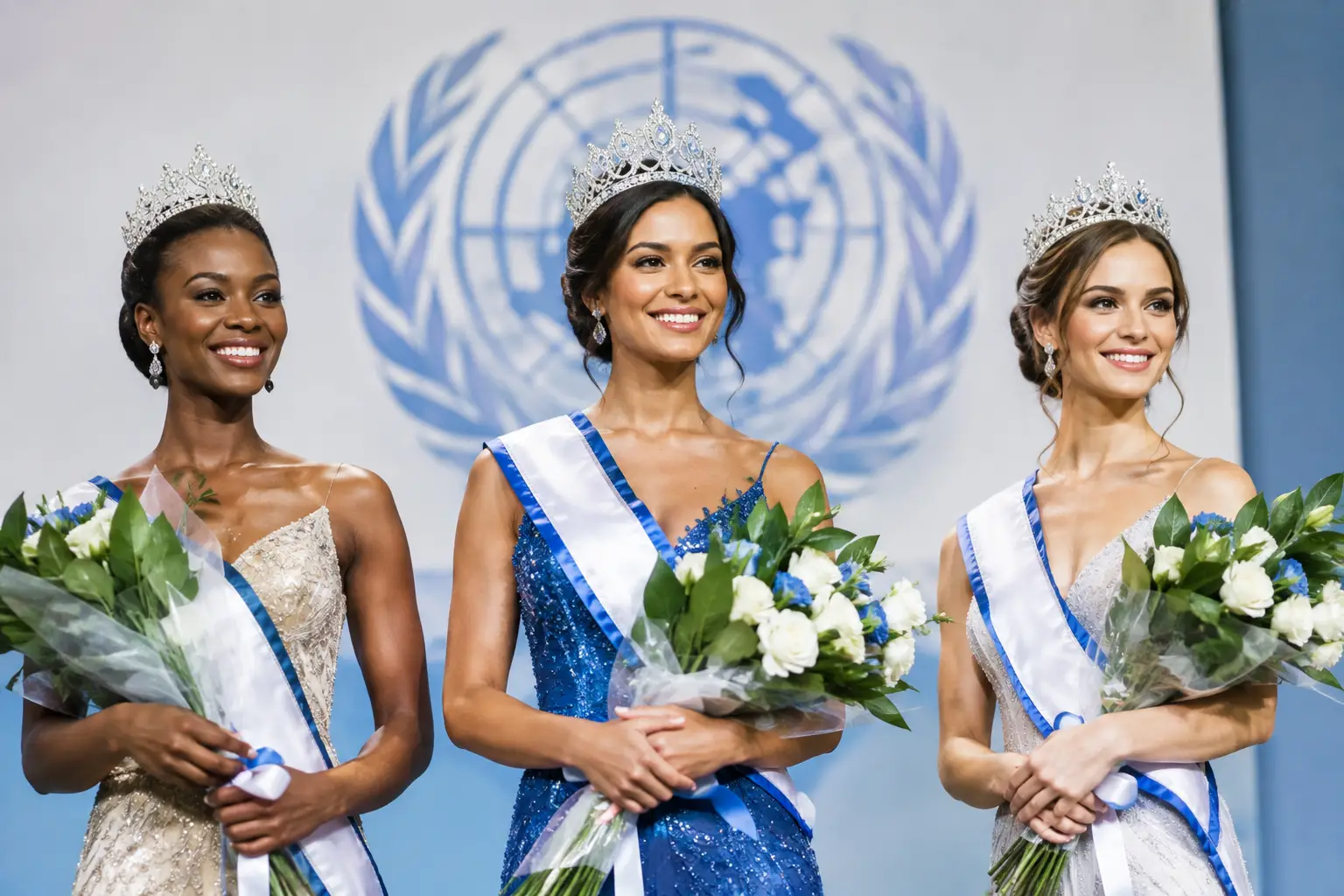
A scorecard can turn a spectacular stage moment into a measurable result. This guide to pageant scorecards helps contestants and families look beyond the crown, understand what judges may be evaluating, and prepare with the clarity that confidence requires. Your goal is never to become someone else. It is to make your preparation, personality, presentation, and purpose unmistakable.
Whether you are entering your first local competition or preparing for an international World Finals experience, the scorecard is the bridge between what you bring to the stage and what the judging panel records. Learn to read that bridge well, and every rehearsal has greater direction.
What a Pageant Scorecard Is Really Measuring
A pageant scorecard is an organized judging tool. It gives judges categories, point values, and space to assess each contestant consistently. At its best, it protects fairness by asking every competitor to be evaluated against the same published or established standards.
It is not a personality test, a measure of your worth, or a prediction of what you can achieve after the pageant. It is a snapshot of how effectively you met the requirements of a specific competition on a specific day. A contestant can deliver a beautiful performance and still have areas to refine. That is not failure. It is valuable information.
The exact categories and percentages vary by organization, division, and event. A Teen contestant, a Mrs. contestant, a Mr. contestant, and a Kids contestant should not be expected to present in identical ways. Age appropriateness, division rules, and the pageant’s stated mission all matter. Always treat the official contestant packet as the authority over any general advice.
The Categories You Will See Most Often
Many scorecards combine several parts of the pageant rather than relying on one stage appearance. The categories may be named differently, but they often examine four connected areas:
- Interview and communication: how clearly you answer, listen, connect, and express your goals or platform.
- Stage presence and presentation: posture, confidence, poise, eye contact, energy, and command of the stage.
- Evening wear, formal wear, or fashion presentation: fit, styling, walk, grooming, and whether your overall look supports your presence.
- Talent, fitness, personal introduction, or optional competitions: division-specific opportunities to show skill, discipline, personality, or preparation.
Some events assign heavy weight to interview because it reveals a contestant’s communication and readiness as a titleholder. Others place greater emphasis on overall presentation or a scored preliminary competition. Neither approach is automatically better. It depends on the vision of the pageant and the responsibilities associated with the title.
A strong contestant studies each category without treating them as separate costumes to put on. Your interview warmth should feel connected to your onstage confidence. Your formal wear should elevate your personal brand, not compete with it. The most memorable competitors carry one authentic, polished identity through every phase of competition.
How to Read a Scorecard Before You Compete
If scorecard details are provided, read them before choosing a gown, practicing an introduction, or booking coaching sessions. Start with the point values. A category worth 40 percent deserves a different level of preparation than a category worth 10 percent. That does not mean ignoring smaller categories. A close competition can be decided by the points others dismiss.
Next, look for descriptive language. Words such as “poise,” “communication,” “appearance,” “authenticity,” “marketability,” “service,” or “stage presence” are clues to the standard judges are being asked to apply. Translate each word into an action you can practice.
For example, poise may mean entering smoothly, recovering gracefully from a small mistake, and standing with relaxed confidence while another person speaks. Communication may mean answering the question directly before adding a memorable detail. Appearance may mean a polished, age-appropriate look with thoughtful fit, not simply the most expensive garment in the room.
If a rule or category is unclear, ask the pageant office early and professionally. Do not rely on rumors from social media or advice built around another system. Every pageant has its own expectations, and those details deserve respect.
Build Preparation Around the Highest-Value Skills
The most effective preparation plan is focused rather than frantic. Start with the categories carrying the most weight, then create short, repeatable practice sessions. Consistency creates polish.
For interview, practice answering questions aloud with a trusted adult, coach, or fellow contestant. Record yourself occasionally. Notice whether you answer the actual question, whether your face stays engaged, and whether you fill pauses with unnecessary words. A thoughtful two-part answer often lands more strongly than a long speech. State your point, then offer one personal example or reason.
For stage presence, rehearse the basics until they feel natural: posture, walking pace, turns, eye line, hand placement, and a composed finish. Practice in the shoes you plan to wear. A beautiful walk that changes completely in competition footwear is not yet competition-ready.
For wardrobe, choose pieces that allow you to move, breathe, and remain yourself. A show-stopping gown can create a magnificent visual, but only if you can carry it with ease. Fit, comfort, and proportion often score better in practice than a trend that leaves you tugging, adjusting, or worrying about every step.
For optional events, be strategic. Enter categories that reinforce your strengths and schedule. More appearances can create visibility, but overcommitting can drain your energy before a major preliminary or coronation event. Purposeful participation is stronger than a packed schedule without recovery time.
The Details Judges Notice Without Announcing
Judges are trained to score the criteria in front of them, yet small details influence how confidently a contestant meets those criteria. Arrival habits, preparedness, and courtesy can shape your own mindset long before you walk onstage.
Bring your materials organized. Know your call times. Thank volunteers and staff. Treat fellow contestants as peers rather than obstacles. These choices do not replace a high score in interview or formal wear, but they help you enter each phase composed and ready to perform.
Onstage, avoid trying to chase every judge’s eye at once. Connect naturally across the panel and the audience, allowing your attention to move with intention. The same is true in interview. Listening carefully is often more impressive than rushing to deliver a rehearsed answer.
A memorable response does not need to be perfect. It needs to be clear, sincere, and appropriate to the question. If you lose your train of thought, pause, breathe, and return to your central message. Recovery is part of poise.
Using Results Without Losing Your Confidence
After competition, many contestants want to know every number immediately. Feedback can be useful, particularly when it identifies a pattern, but one score should never become the entire story of your pageant journey. Panels differ. Questions differ. A score also reflects a particular rubric and moment in time.
When feedback is available, review it with a growth mindset. Look for repeated observations, not just the single comment that stings. If multiple notes point to rushed interview answers, build more pause-and-response practice. If presentation needs refinement, focus on one physical skill at a time instead of rebuilding your entire look overnight.
Celebrate what worked, too. A scorecard is not only a correction sheet. It can confirm that your preparation, platform message, or stage presence is already making an impact. Keep those strengths at the center as you improve.
At United Nations Pageants, contestants step onto a global stage where glamour, representation, and purpose meet. The strongest preparation honors all three. Know the scoring system, respect the standards of your division, and let your character show through every polished detail.
The crown may be awarded in a single extraordinary moment, but confidence is built long before it. Let the scorecard guide your preparation, not limit your ambition. Show up ready to be seen, heard, and remembered for the titleholder you are becoming.
Comments are closed