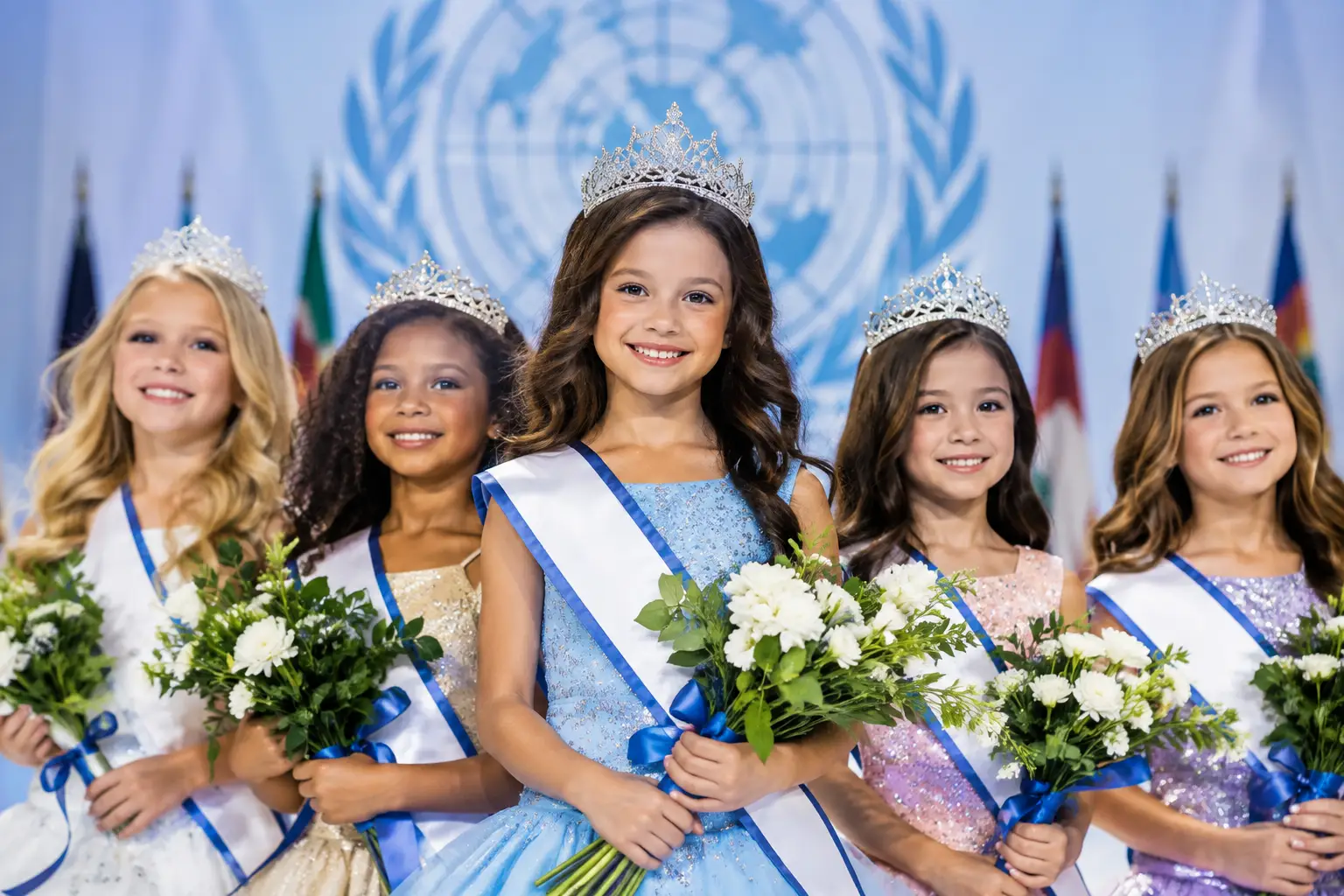
A child steps into the spotlight for only a few minutes, but the experience surrounding that moment can shape how they feel about confidence, appearance, competition, and belonging. So, are kids pageants safe? They can be when the event, the adults involved, and the family all put the child’s well-being ahead of the crown.
A polished stage, beautiful wardrobe, and exciting applause can create an incredible memory. Yet safety in children’s pageantry is not just about preventing physical harm. It also includes emotional safety, age-appropriate presentation, clear boundaries, informed consent, and a child who genuinely wants to participate. The most spectacular pageant experience is one where a young contestant feels supported, protected, and proud of herself whether she wins a title or not.
Are Kids Pageants Safe When Standards Come First?
No activity involving children is automatically safe simply because it is organized. A pageant earns a family’s trust through its policies, its people, and its choices before, during, and after the event. Parents should look beyond the stage lights and ask how the organization handles supervision, photography, dressing areas, communication, and inappropriate behavior.
A well-run children’s pageant should make its expectations clear from the beginning. Families should know who has access backstage, how contestants are checked in and released, whether adults working with children are vetted, and how concerns can be reported. Rules should not be hidden in fine print or addressed only after a problem occurs. They should be part of the event culture.
The same standard applies to every person around the contestant. Directors, staff, judges, photographers, hair and makeup professionals, volunteers, family members, and sponsors should understand that a child is never a prop for a production. She is a young person with privacy, feelings, and a right to say no.
Safety Is Physical, Emotional, and Digital
Parents often begin by thinking about practical risks: travel, crowded venues, stage stairs, costumes, and long event days. Those details matter. A venue should be organized, accessible, and staffed well enough that children are not left wandering through unfamiliar spaces. Dressing rooms should have controlled access, and young contestants should not be expected to manage backstage alone.
But emotional safety deserves equal attention. Children can feel tremendous pressure when adults focus heavily on appearance, placement, or public approval. The healthiest pageant environments celebrate preparation, poise, talent, kindness, and community involvement instead of treating a child’s value as something a scorecard can measure.
Digital safety is another essential layer. A child’s photos and videos may be shared by parents, pageant organizations, photographers, and spectators. Before entering, families should understand the event’s media policy and decide what level of online exposure feels right. Ask whether images will be used for promotion, whether contestant names and locations are published, and how families can raise concerns about unwanted content.
A parent does not need to fear every camera. Pageants are public celebrations, and photos are part of the experience. The key is transparency and reasonable control. A reputable event respects a family’s questions instead of making them feel difficult for asking.
What Age-Appropriate Participation Looks Like
Children can enjoy fashion, performance, public speaking, and meeting new friends. None of those interests are inherently harmful. The concern arises when adult expectations, styling, or messaging are placed on a child.
Age-appropriate pageantry allows children to look polished while still looking like themselves. Wardrobe, hair, makeup, music, choreography, interview questions, and social media content should fit the contestant’s developmental stage. A young child should never feel pressured to wear, say, or perform something that makes her uncomfortable or presents her as older than she is.
Parents play the leading role here. If a costume feels too mature, a routine feels suggestive, or a coach’s language feels harsh, that is enough reason to pause. There is no prize worth overriding a child’s comfort. A strong pageant organization will welcome thoughtful parental boundaries and provide divisions, guidelines, and stage opportunities that honor childhood.
It also helps to let children have a voice in their participation. They can choose between outfit options, say whether they want to continue after a difficult rehearsal, and share what they enjoyed or disliked. Adults make the final safety decisions, but listening closely tells a child that her feelings matter.
Healthy Competition Starts at Home
Pageants can teach preparation, stage presence, graciousness, and resilience. They can also become stressful when the adults around a child treat every event as a test of worth. The difference often begins in the language used at home.
Instead of asking, “Do you think you’ll win?” try asking, “What part of the event are you excited about?” Praise effort, courage, kindness backstage, and the willingness to try again. A title can be thrilling, but it should be framed as recognition for one moment in time, not proof that one child is more beautiful, talented, or deserving than another.
Watch for changes in your child’s behavior. Ongoing anxiety, fear of disappointing adults, body criticism, exhaustion, or refusal to attend activities she once enjoyed are signals to slow down. Some children love the stage but need fewer events. Others enjoy one special pageant each year rather than a packed competition schedule. There is no single right level of involvement.
Families should also be realistic about budgets. Entry fees, travel, outfits, coaching, photography, and optional extras can add up quickly. Financial strain can create pressure for a child to deliver a certain result. Set a clear budget before committing, and be willing to decline extras that do not serve your child’s enjoyment or growth.
Questions Parents Should Ask Before Entering
A pageant organization should be prepared to answer direct questions with clarity and professionalism. Before submitting an entry, ask:
- Who supervises children backstage, and what is the check-in and release procedure?
- Are dressing areas private, controlled, and appropriate for young contestants?
- What are the rules for photography, videography, and social media use?
- How does the organization handle bullying, harassment, or parent conduct concerns?
- What standards guide wardrobe, music, makeup, routines, and interview content for each age division?
- Is there a clear contact person available if a parent or contestant needs help during the event?
Listen not only to the answers, but also to the attitude behind them. Professional organizers understand why these questions matter. They will be able to explain their process without dismissing a parent’s concern as unnecessary drama.
It is also wise to speak with families who have participated before. Ask what the event felt like behind the scenes, whether schedules were manageable, and how staff responded when something unexpected happened. Promotional photos show the glamour of a Grand Finale. Parent experiences often reveal the day-to-day care that makes that glamour feel secure.
The Parent’s Presence Matters
For younger contestants, a trusted adult should remain actively involved throughout the pageant experience. That means knowing the schedule, checking wardrobe and comfort needs, staying alert to fatigue, and being available if the child wants to step away. It also means modeling respect toward other contestants, parents, and staff.
Avoid speaking negatively about other children, judges, or placements within your child’s hearing. Young contestants notice more than adults realize. When parents model grace under pressure, children learn that confidence can be both ambitious and kind.
At United Nations Pageants, the promise of glamour, purpose, and global representation is strongest when each family approaches the stage with this same standard of care. A world-class experience should leave a child feeling seen for her spirit, effort, and individuality.
The safest pageant is not the one with the biggest spotlight. It is the one where a child can walk offstage, take off her sash, and still feel exactly like herself: happy, secure, celebrated, and free to decide whether she wants to shine again.
Comments are closed