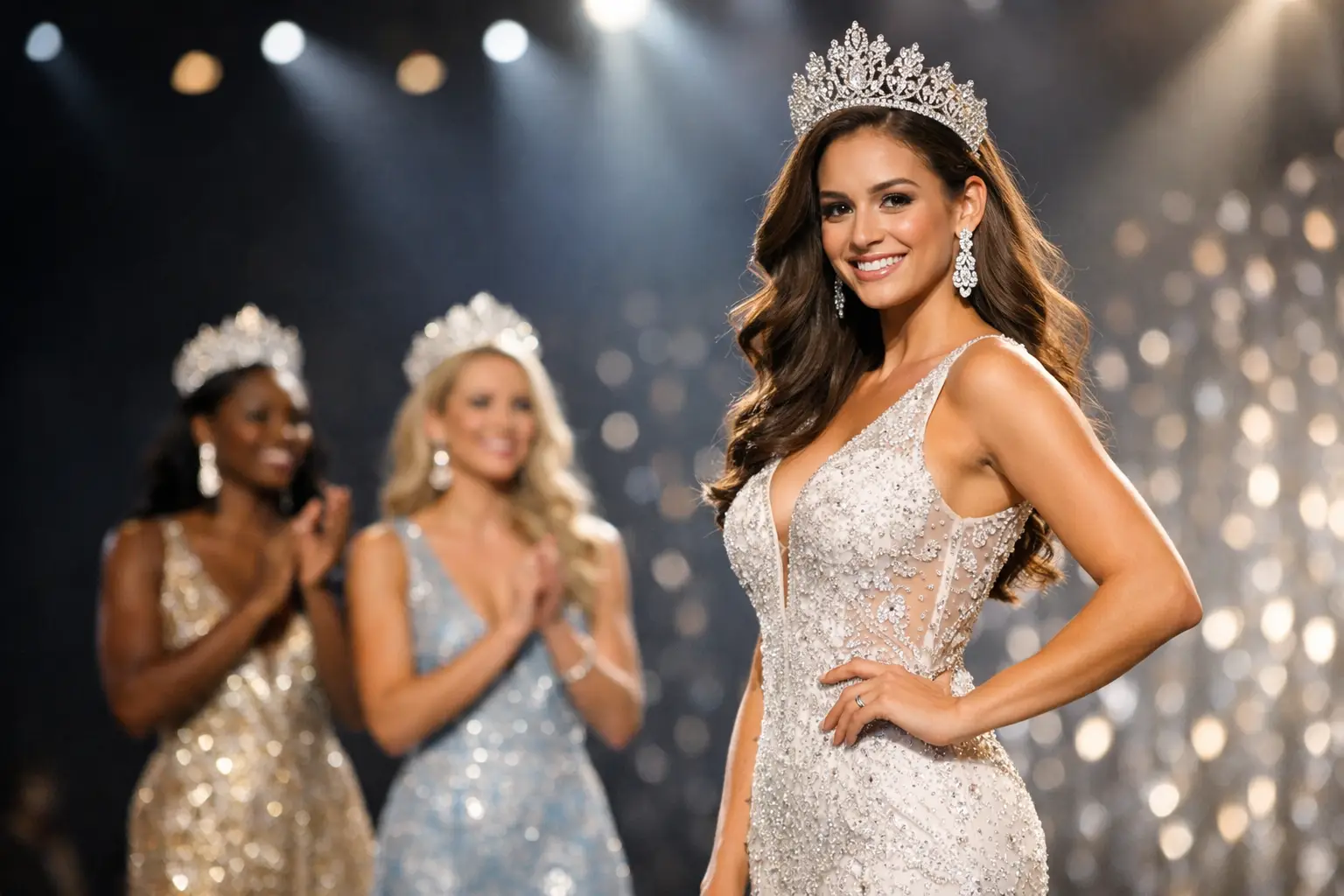
The moment a contestant steps into the spotlight, the audience begins forming an impression. A pageant model is not simply someone who looks polished in a gown, suit, or interview outfit. They are a performer, representative, and storyteller whose presence communicates confidence before a single score is announced.
At a major pageant, every contestant arrives with a different look, background, and life story. What makes a memorable competitor is not fitting one narrow standard. It is knowing how to present personal style, purpose, and preparation with undeniable poise. The strongest stage presence feels elevated, but never forced.
A Pageant Model Brings More Than a Great Look
Style matters in pageantry. A thoughtfully chosen wardrobe, polished hair, camera-ready makeup, and strong posture create a complete first impression. Yet appearance alone cannot carry a contestant through competition. Judges and audiences notice when a person is comfortable in their own skin, understands the occasion, and brings authentic energy to the stage.
A compelling pageant model knows that glamour is part of a larger presentation. The way you enter the stage, acknowledge the audience, hold a pose, and transition through a turn all communicate something. Your presentation should say, “I am prepared to be here, and I am proud of what I represent.”
This is especially meaningful on an international stage. Contestants may represent their community, culture, family, platform, or country. The goal is not to imitate another contestant’s walk or personality. It is to refine your own presence until it feels clear, polished, and memorable.
Presence Starts Before the Spotlight
Stage confidence is built long before the music begins. It comes from repetition, thoughtful preparation, and the ability to stay focused even when excitement is high. Contestants who appear effortless have usually spent time practicing the details others may overlook.
Your walk should feel natural, intentional, and appropriate for your division. A Teen contestant may bring youthful energy and bright expression. A Mrs. contestant may lead with sophistication, warmth, and life experience. A Mr. contestant may emphasize confident posture and clean, controlled movement. Kids divisions require age-appropriate guidance that protects the joy and individuality of each young participant.
The same principle applies across every division: do not perform a version of confidence that does not belong to you. If a dramatic pose makes you feel powerful, use it with control. If your strength is an open smile and graceful movement, let that be your signature. A polished presentation is not about becoming someone else. It is about making your strongest qualities visible.
Practice Your Entrance and Exit
Many contestants focus on the center-stage pose, but an entrance and exit can be just as memorable. Begin with shoulders relaxed, chin lifted, and eyes forward. Avoid rushing. Give the audience time to see you, and give yourself time to settle into the stage.
Your exit should remain polished until you are fully offstage. A contestant who finishes with the same confidence they brought to the opening creates a complete and professional impression. This small discipline signals readiness for the responsibilities that come with a title.
Make Eye Contact With Intention
Eye contact connects a contestant to the room. Rather than staring at one judge or looking down at the floor, allow your gaze to travel with purpose. A natural smile, a moment of connection with the audience, and calm focus toward the judges can make a large stage feel personal.
For contestants who feel nervous, choose a few visual anchors in the room during rehearsal. This gives your eyes a place to go without appearing distracted. As confidence grows, your expression will become more relaxed and engaging.
Your Wardrobe Should Support Your Story
The right pageant wardrobe does not need to be the most expensive piece in the room. It needs to fit beautifully, move well, photograph well, and support the message you want to convey. A breathtaking gown that limits movement can take attention away from your presentation. A suit that feels sharp but uncomfortable may affect posture and expression.
Consider the stage lighting, the event setting, and the requirements of your division. Rich colors may create a powerful visual statement, while classic silhouettes can highlight elegance and confidence. Sparkle can be spectacular under lights, but balance matters. If every element competes for attention, the contestant can disappear behind the styling.
The best choice is often the one that allows you to walk, turn, and smile without thinking about your outfit. When you feel secure in what you are wearing, your energy can go where it belongs: into your performance and connection with the audience.
Preparation Builds Real Confidence
Confidence is not the absence of nerves. Even experienced competitors can feel a rush of adrenaline before stepping onstage. The difference is that prepared contestants know how to direct that energy.
Rehearse in shoes similar to the ones you will wear during competition. Practice your walk in enough space to understand your stride, turns, and timing. Record yourself from the front and side. You may notice a hand placement, shoulder angle, or pace that feels different than it looks. Small adjustments can make a dramatic difference under stage lights.
It also helps to prepare for the full experience, not just one segment. Know your schedule. Pack wardrobe essentials early. Eat and hydrate in a way that supports your energy. Arrive with time to breathe, organize, and connect with your team or family. Last-minute stress can show in your posture and expression, while calm preparation creates room for joy.
For younger contestants, parents and guardians play a meaningful role. The most successful support systems keep the experience encouraging and age-appropriate. Help children practice, celebrate their effort, and remind them that their personality is the most important thing they bring to the stage.
Purpose Gives Your Presentation Depth
A title is more than a crown, sash, or photograph. It can be a platform for visibility, service, leadership, and personal growth. Contestants who understand why they are competing often carry themselves differently. Their confidence has a foundation.
Your purpose may be connected to community service, a personal cause, career ambition, cultural pride, or the desire to inspire others. You do not need a rehearsed speech for every moment onstage, but you should be able to articulate what matters to you. Purpose gives polish meaning.
This is where pageantry becomes more than a visual competition. A contestant who combines presentation with character can create a lasting impression on judges, fellow competitors, sponsors, and supporters. The glamour draws attention. The purpose gives that attention a reason to stay.
The Power of Professionalism
Professionalism is one of the quiet qualities that sets exceptional contestants apart. It appears in how you respond to direction, treat event staff, support fellow contestants, and manage unexpected changes. A delayed rehearsal, a wardrobe concern, or a missed cue does not have to define your experience. Your response does.
Be gracious with everyone involved in the event. Offer encouragement backstage. Stay attentive during rehearsals. Thank photographers, volunteers, and organizers. These choices reflect the kind of representative you may become if selected for a title.
At United Nations Pageants, the World Finals atmosphere is designed to celebrate ambition, global representation, and the excitement of a true Grand Finale. Contestants who arrive prepared to contribute to that spirit stand out for reasons that go far beyond one moment under the lights.
Let Your Signature Shine
There is no single formula for becoming a standout pageant contestant. Some competitors command the stage through bold fashion and powerful movement. Others captivate through quiet elegance, a radiant smile, or a story that resonates deeply. The common thread is self-awareness.
Know what makes you distinctive, then practice presenting it with consistency. Your signature may be your posture, your warmth, your runway presence, your interview confidence, or your commitment to a cause. Do not hide it in an effort to look like everyone else.
When the spotlight finds you, let it reveal the preparation, purpose, and pride you have already built. Bring the glamour, honor the opportunity, and give the audience a reason to remember the person behind the presentation.
Comments are closed