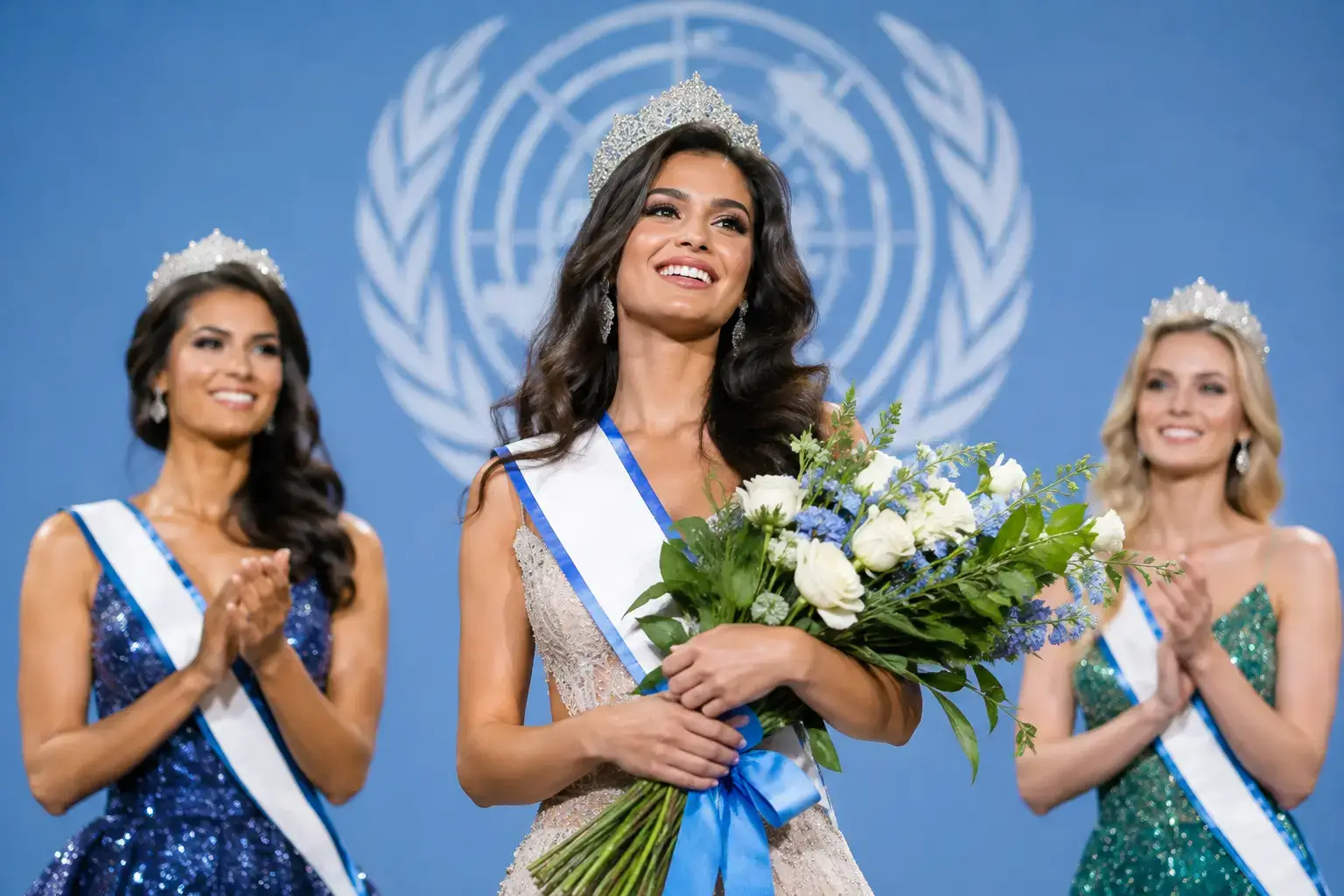
The gown is pressed, the crown is waiting, and the lights are about to rise. In that moment, pageant photography becomes more than a record of the event. It becomes the visual proof of your preparation, confidence, personality, and purpose. The right images can preserve a once-in-a-lifetime coronation, strengthen a contestant’s personal brand, and give families a keepsake worthy of the occasion.
A spectacular pageant photo is not created by a beautiful gown alone. It comes from the relationship between the contestant, the camera, the lighting, the pose, and the energy of the stage. Whether you are competing in a Teen, Miss, Mrs., Ms., Mr., or Kids division, knowing how to prepare for photographs can help you look composed and unforgettable from your first arrival shot through the Grand Finale and Coronation Show.
Why Pageant Photography Matters Beyond the Crown
Every contestant arrives with a story. Some are stepping onto a major stage for the first time. Some are seasoned titleholders building a platform. Others are representing their family, community, state, or country with pride. Photography gives that story a lasting form.
Professional images are useful long after event weekend. They may be shared with sponsors, used in media features, included in future applications, displayed by a local titleholder program, or treasured by loved ones. For titleholders, strong photography also supports appearances and public-facing work throughout the reign. A polished image tells people that you take the opportunity seriously before they read a single caption.
There is also an emotional reason to prioritize photos. Pageant weekends move quickly. Rehearsals, interviews, wardrobe changes, opening numbers, competition phases, and awards can blur into one thrilling experience. Images preserve the details that contestants may not fully notice in the moment: the expression before stepping onstage, the proud embrace with family, the movement of an evening gown under the lights, and the joy of hearing a name announced.
Preparing for Pageant Photography Before You Arrive
The camera sees details differently than the mirror. Preparation should begin before hair and makeup appointments, before packing, and ideally before competition weekend.
Choose wardrobe with the lens in mind
Select garments that fit beautifully while allowing natural movement. A gown that looks dramatic standing still but restricts your stride may create tense stage images. Test the way fabric falls when you turn, sit, wave, and place a hand on your hip. If a dress has a dramatic train, practice how you will position it so it frames you rather than disappearing behind your feet.
Color matters, but there is no universal “best” shade. Jewel tones can create rich contrast under stage lighting, while white and metallic looks can appear striking but may require careful exposure from the photographer. Deep black can look elegant and commanding, though fine embellishment or texture helps it remain visible in darker environments. The best choice depends on the venue, lighting design, division, and the image you want to project.
Bring every essential in a clearly organized garment bag or tote. A missing earring, wrinkled sash, loose strap, or scuffed shoe can be distracting in an otherwise exceptional portrait. Small details often become visible in close-up images.
Rehearse your signature poses
You do not need to memorize a dozen complicated poses. You need a few flattering positions that feel like you. Practice a confident forward-facing pose, a slight angle, a walking image, a seated posture if applicable, and a crown or sash pose. Notice where your hands rest, how your shoulders sit, and whether your smile feels relaxed.
A slight turn through the waist often creates dimension, while lengthening the neck and rolling the shoulders back can make a major difference. Keep your fingers soft. A clenched hand can make even an excited expression look nervous.
Practice in front of a camera, not only a mirror. Mirrors reverse your view and show motion continuously. A camera captures one split second. Reviewing still images will reveal whether your chin is too high, your smile drops between poses, or your favorite angle truly translates on camera.
Plan your beauty look for real lighting
Stage makeup is designed to hold up under bright lights and distance. Photography, however, can reveal texture, flashback, uneven blending, or overly reflective products. A skilled glam team understands the difference, but contestants should still test their complete look when possible.
Take sample photos in natural light and with flash. Check that foundation blends through the jawline, false lashes are secure, contour is balanced, and body makeup matches the face and neck. If you are wearing shimmer, use it strategically. A little radiance can look glamorous; too much can create unwanted shine in close portraits.
Pageant Photography on Competition Day
Once the event begins, your job is not to perform for every camera. Your job is to remain present, prepared, and expressive. The strongest images often happen when a contestant is fully engaged with the experience rather than searching for the lens.
Give the camera a complete expression
A pageant smile should reach the eyes. Think of a moment, person, or achievement that genuinely makes you proud, then let that feeling shape your expression. A forced smile can look stiff, especially after a long day. Between official photographs, take a breath, reset your face, and return to the energy you want to bring onstage.
When you notice a camera during an arrival, candid moment, or backstage celebration, avoid freezing. Lift your posture, soften your hands, and offer a natural smile. You do not need to overpose. Confidence reads clearly when your body language is open and your attention is calm.
Move with intention onstage
Stage photography rewards clean lines and purposeful movement. Walk at a pace that allows the photographer to capture your full look. Pause naturally at designated marks when the format allows. Give the audience time to see you, and give the camera a moment to catch the gown, smile, and stance at their best.
Do not rush a turn. A controlled pivot with a lifted posture can create a beautiful frame, particularly when the gown has movement. If you are holding flowers, a trophy, or another prop, keep it slightly away from the torso so it enhances the image instead of covering the gown or sash.
For contestants in younger divisions, comfort matters more than perfect technique. Parents and coaches can help children practice a simple wave, a bright smile, and a safe, steady walk. The most memorable images of young participants are often the ones that show genuine excitement and personality.
Respect the event photographer’s role
Official photographers are working in demanding conditions. They must capture multiple contestants, fast transitions, changing lights, audience reactions, group images, and the major moments that cannot be repeated. Help them by listening to directions promptly and keeping your items organized before any scheduled portrait session.
If there is an opportunity for a posed image, communicate courteously and briefly. Let the photographer guide the technical details. Their perspective may be very different from yours, especially when they are balancing background, lighting, and stage composition.
The Essential Images Every Contestant Should Have
A complete collection should reflect the whole pageant experience, not only the final announcement. Aim to capture these distinct moments:
- An arrival or welcome image that shows your excitement and personal style.
- A polished headshot with direct eye contact and a confident expression.
- A full-length formal portrait that honors your gown, sash, or national representation.
- A strong onstage action image from competition or presentation.
- A candid photograph with family, fellow contestants, or mentors.
- A coronation, award, or celebration image that captures the emotion of the result.
Not every event will provide every kind of photo, and that is perfectly normal. The available venue, event schedule, lighting, and official photography package all influence what can be captured. Focus on quality and meaning rather than trying to manufacture every possible shot.
Building a Titleholder Image After the Event
For finalists and titleholders, photography can continue to serve a bigger purpose. Select a small group of images that represent different sides of your reign: glamour, service, personality, and stage presence. Consistency matters. If you are sharing photographs publicly, choose images that align with the values and standard of the organization you represent.
Avoid posting every nearly identical image at once. Give standout photographs space to shine. A powerful formal portrait, an energetic onstage frame, and a sincere community image can communicate far more than a crowded gallery of repeats.
At United Nations Pageants, the world finals experience brings together glamour, international representation, and meaningful achievement. Your images should reflect that elevated occasion while still looking unmistakably like you. The goal is not to imitate another contestant’s pose or style. It is to present your strongest, most authentic self on a global stage.
When the lights fade and the gowns are carefully packed away, the photographs remain. Prepare for them with the same care you bring to your walk, interview, and presentation. Then step into each frame with pride – because your pageant story deserves to be seen, celebrated, and remembered.
Comments are closed