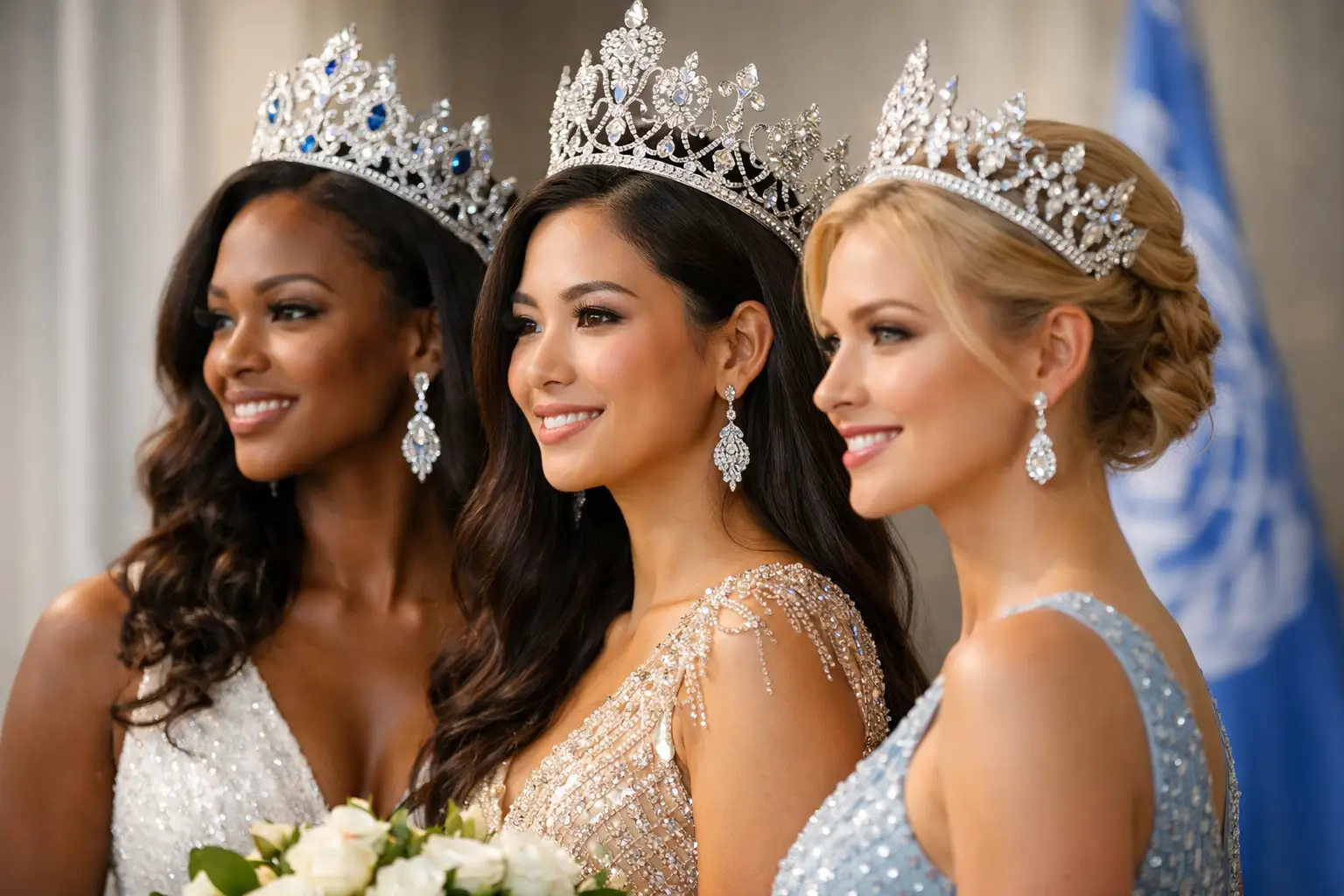
The moment a contestant steps into the spotlight, beauty pageants become about far more than a gown, a sash, or a single score. They become a public expression of preparation, poise, ambition, and the courage to be seen. For contestants of every age and life stage, the stage can be a place to celebrate identity, represent a community, and pursue a goal with unforgettable energy.
A crown may be the visible symbol of achievement, but the experience behind it is built over time. Contestants develop their voice, refine their presentation, form meaningful connections, and learn how to carry themselves through high-pressure moments. That is what gives pageantry its lasting power.
Why Beauty Pageants Still Matter
Beauty pageants have evolved because the people who enter them have evolved. Modern contestants are students, professionals, entrepreneurs, parents, advocates, creatives, and community leaders. They arrive with distinct stories and goals, then bring those qualities to a competitive stage designed to recognize presentation, communication, confidence, and purpose.
The strongest pageant experiences do not ask contestants to fit one narrow definition of beauty. They invite them to show up with polish and authenticity. A contestant may shine through a powerful interview, a meaningful service initiative, exceptional runway presence, a commanding talent, or the warmth she brings to every interaction. Another may find confidence for the first time after years of holding back. Both experiences matter.
This is also why divisions matter. A Teen contestant, a Miss contestant, a Mrs. contestant, a Ms. contestant, a Mr. contestant, and a young participant in a Kids division each bring a different perspective to the stage. A well-designed competition makes room for those perspectives while maintaining the excitement, standards, and prestige that make a title worth pursuing.
The Work Behind the Glamour
The glamour of a Grand Finale is real: the lights, music, formalwear, introductions, and anticipation create a spectacular atmosphere. Yet the most memorable onstage moments are rarely accidental. Behind them are rehearsals, wardrobe planning, interview practice, fitness routines, travel arrangements, fundraising efforts, and countless conversations with family, coaches, mentors, and sponsors.
Preparation teaches contestants how to set a standard and meet it. It asks them to manage details without losing their spark. It also builds resilience. Not every interview answer will land perfectly. Not every rehearsal will feel effortless. Not every contestant will hear her name called at coronation. Learning to respond with grace, whether the result is a win or a lesson, is part of the distinction of pageantry.
There is a practical side, too. Contestants should consider the time commitment, entry requirements, wardrobe expectations, and travel costs before choosing an event. Some participants want a local confidence-building experience; others are ready for the intensity and visibility of an international finals stage. Neither path is inherently better. The right opportunity depends on personal goals, resources, readiness, and the kind of titleholder a contestant hopes to become.
A Title Is a Platform, Not a Finish Line
Winning a title creates visibility. What a titleholder does with that visibility determines its deeper value. She may speak at schools, support a nonprofit, host a community project, promote a cause, encourage young people, or represent her region at public appearances. A title can open doors, but it also calls for follow-through.
Purpose works best when it is personal. A contestant does not need to invent a cause simply because advocacy is expected. The most compelling platforms often grow from lived experience: a family health journey, a commitment to literacy, a passion for mentoring, a connection to military families, an interest in environmental care, or a desire to help young people feel confident in their own skin.
The goal is not perfection. It is credibility. Audiences remember titleholders who can explain why a cause matters to them, speak about it with care, and take visible action. That kind of leadership gives the crown meaning long after the final walk.
Beauty Pageants as Global Representation
International pageantry adds another layer of significance. Contestants do not simply compete as individuals. They often carry the pride of a city, state, country, culture, or heritage with them. Meeting participants from different places can turn a competitive week into a powerful exchange of stories, traditions, and aspirations.
Global representation calls for both confidence and respect. Contestants should be proud of where they come from while staying curious about the people around them. A contestant who listens well, celebrates others, and represents her own background with sincerity brings real distinction to the pageant experience.
That sense of connection is especially meaningful at a World Finals event. The stage is elevated, the audience is energized, and the competition feels bigger because every contestant contributes to a larger picture. United Nations Pageants brings this spirit to Fort Lauderdale with divisions that welcome a broad range of participants into one polished international celebration.
What Judges and Audiences Remember
Contestants often focus intensely on the visible elements of competition, and those details do matter. A well-fitted gown, strong walk, polished hair and makeup, and thoughtful wardrobe choices can support a contestant’s overall presentation. But presentation alone is not presence.
Presence is the quality that makes a contestant feel unmistakably herself. It appears in eye contact during an interview, composure during a quick change, kindness toward fellow contestants, and the confidence to recover after a small mistake. It cannot be bought off a rack or copied from someone else’s social media.
The contestants who make an impression tend to prepare their image from the inside out. They know their values, understand their goals, and can speak clearly about what they stand for. Style becomes more powerful when it reflects a person instead of disguising one.
Building a Pageant Experience That Feels Worthwhile
For contestants and families, choosing a pageant organization is an important decision. Look beyond the crown design and promotional photos. Consider whether the event offers clear expectations, professional communication, age-appropriate divisions, meaningful opportunities for visibility, and an atmosphere that treats participants with respect.
For parents of young contestants, support should feel encouraging rather than controlling. Kids divisions can introduce stage confidence, social skills, discipline, and the joy of performing, but children should remain children. The most positive experience is one where a young participant feels celebrated for effort, growth, and character, not pressured to meet adult expectations.
For adult contestants, pageantry can be a bold return to self-expression. It can be a chance to claim space after a major life transition, pursue a long-held dream, or show children and peers what commitment looks like. There is no single timeline for confidence. Sometimes the right time to compete is 17. Sometimes it is 37, 57, or beyond.
Bring Your Full Story to the Stage
The most exciting future for pageantry belongs to contestants who see glamour and purpose as partners. They understand that a dazzling entrance can capture attention, while a clear message and sincere character can hold it. They compete to win, certainly, but they also arrive ready to grow, connect, and represent something meaningful.
Whether the goal is a first local title or a place on an international stage, prepare with intention and celebrate every milestone. The crown is a remarkable moment. The confidence, community, and purpose you carry forward are what make the journey truly yours.
Comments are closed