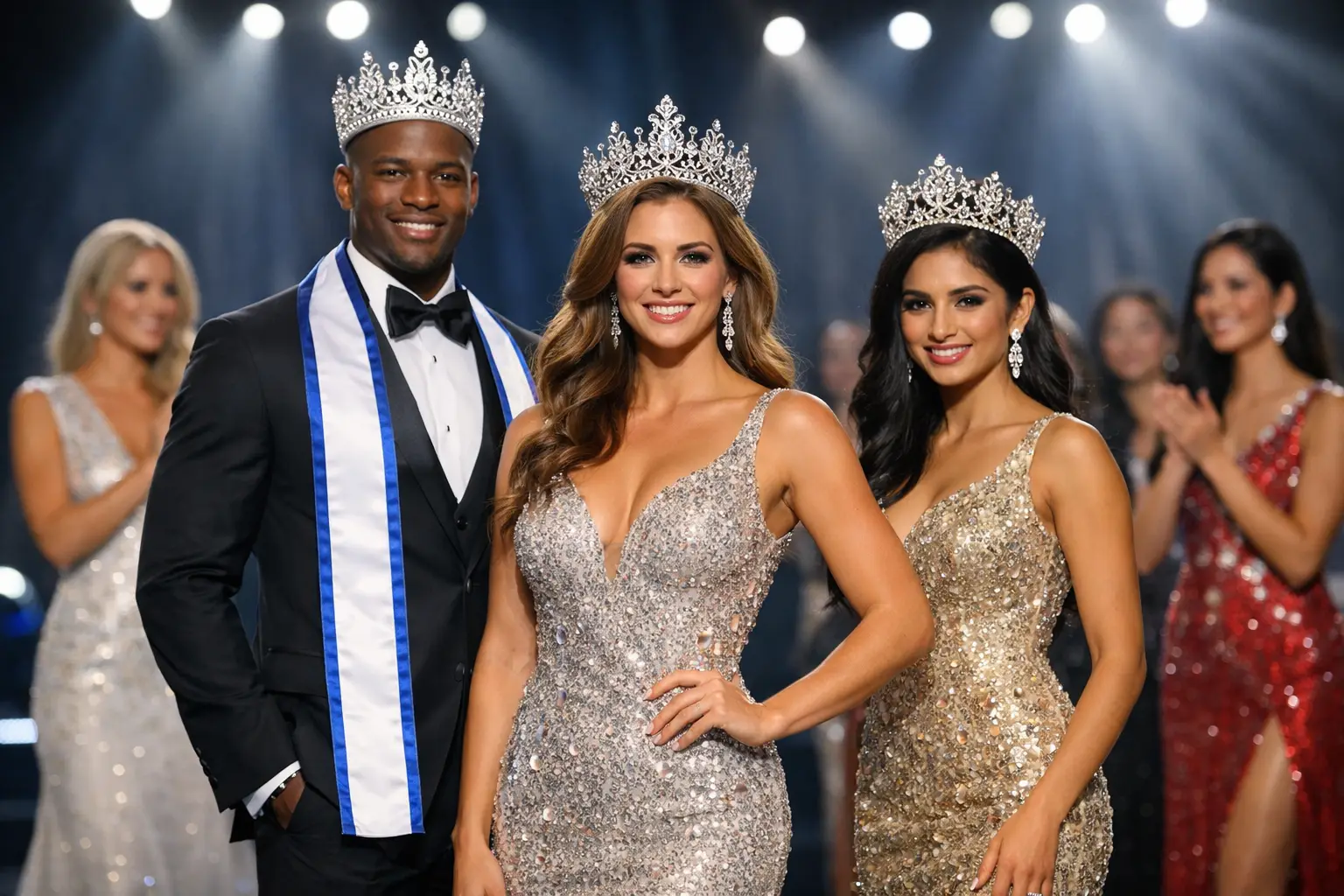
A pageant stage reveals the difference between simply wearing a beautiful gown and truly owning the moment. The lights are bright, the audience is watching, and every step has a message. Modelling for pageantry is not about copying someone else’s walk. It is about presenting your confidence, character, preparation, and purpose with unmistakable presence.
For contestants in Miss, Mrs., Ms., Teen, Mr., and Kids divisions, strong modeling skills create a polished foundation for every appearance. They help a contestant move with ease in evening wear, look natural in photographs, and make a lasting impression during introductions, interviews, and the Grand Finale. The goal is not perfection. The goal is a presentation that feels elevated, authentic, and ready for a world-class stage.
Why Modelling Matters in Pageantry
Pageant modeling is communication without a microphone. Before a contestant answers a question or shares her platform, the audience has already received cues from her posture, pace, eye contact, and expression. A poised entrance signals preparation. A controlled turn signals confidence. A sincere smile helps the audience connect with the person behind the title.
This is why modeling deserves the same focused practice as interview preparation, wardrobe selection, or community-service messaging. A contestant may have a spectacular gown, a compelling story, and a meaningful purpose, but she still needs to carry all three with intention. The stage is where those elements become visible.
It also depends on the division and competition format. A Teen contestant may benefit from fresh energy and age-appropriate movement, while a Mrs. contestant may choose a more refined, composed style. A Mr. contestant may focus on grounded posture, clean lines, and confident transitions. Great pageant modeling is never one-size-fits-all. It should flatter the contestant, respect the moment, and meet the standards of the event.
Build Your Modeling Foundation Before You Add Flair
The most memorable stage presence starts with fundamentals. Contestants often rush toward dramatic poses or fast turns before they have developed balance and body awareness. That can make even a confident competitor look rushed. Begin with a walk that is stable, natural, and repeatable.
Stand tall through the crown of your head, relax your shoulders, and engage your core without appearing stiff. Keep your chin parallel to the floor rather than lifted too high. Your arms should move naturally, not press tightly against your sides. Whether you are in heels, dress shoes, or a division-specific outfit, your stride should look intentional from the first step to the final pose.
A useful practice method is to film a short runway pass from the front, side, and back. Watch it without sound. Are your shoulders level? Does your pace change as you approach the end of the runway? Are your hands calm? Does your face remain warm? Video can show details that a mirror misses, especially when nerves change your posture.
Find a Pace That Feels Powerful
Speed is one of the most overlooked parts of pageant presentation. Walking too quickly can communicate anxiety, while moving too slowly can lose the rhythm of the room. Aim for a pace that gives the audience time to see your outfit and gives you time to breathe.
Practice with the kind of music commonly used for competition, but do not rely on the beat alone. Music can change on event day. Instead, learn to count your steps internally and arrive at your mark with control. If you need to adjust because of a stage layout or another contestant’s exit, you will be able to do so without breaking your composure.
Make Your Transitions Look Intentional
A polished contestant does not only look good at the front of the stage. She looks prepared while entering, turning, pausing, and exiting. These moments are transitions, and they are where many contestants lose their energy.
When you reach your mark, settle your weight before beginning a pose. Hold the pose long enough for judges and photographers to capture it, then move into the next position with a clear purpose. Avoid fidgeting with your gown, hair, sash, or jewelry unless a quick adjustment is truly necessary. The audience should see elegance, not uncertainty.
Create a Signature Presence, Not a Copy
It is tempting to study viral runway clips and recreate every hand placement, head turn, and dramatic glance. Watching accomplished titleholders can be helpful, but imitation has limits. If a move does not fit your personality or body language, it can look rehearsed in the wrong way.
Your signature presence should come from knowing what makes you compelling. Perhaps your strength is a radiant smile that fills the room. Perhaps it is a striking gaze, graceful hands, powerful posture, or a calm sense of command. Build around that strength rather than covering it with too many poses.
Think of your presentation as having three qualities: your energy, your expression, and your line. Energy is the feeling you bring to the stage. Expression is what your face communicates. Line is the visual shape created by your stance, arms, shoulders, and legs. When those three elements work together, the result feels polished instead of performative.
Train Your Face for the Camera and the Crowd
A stage smile is not the same as a casual photo smile. It must be visible from a distance while still looking genuine up close. The best expression is one that reaches the eyes and changes naturally as you move through the runway pattern.
Practice several expressions in a mirror and on video: a warm smile, a poised closed-mouth smile, a confident serious look, and a soft transition between them. You do not need to use all of them during a competition. The purpose is to understand your range so you can choose what suits your outfit and the mood of the moment.
For example, a high-glamour evening gown may call for a more sophisticated expression at the opening mark, followed by a brighter smile as you face the audience. A fun fashion look may invite more personality and movement. The key is consistency. Your expression should support the story your styling is telling.
Practice in the Wardrobe You Will Wear
A runway pattern can feel completely different once you add a fitted gown, train, cape, heels, suit jacket, or statement accessories. Never let competition day be the first time you practice the full look. Wear your shoes at home on a safe surface, learn how the fabric moves, and identify any areas that need tailoring or support.
If your gown has a slit, practice stepping through it without looking down. If it has a train, learn where it falls after a turn. If you are wearing a suit, check that the jacket sits correctly when you pose and walk. Contestants in kids and teen divisions should also make sure their styling allows them to move comfortably and confidently without constant adjustments.
Comfort is not the enemy of glamour. It is what allows glamour to shine. When you trust your wardrobe, you can give your attention to the audience, judges, and experience rather than worrying about a strap, hem, or shoe.
Rehearse for Pressure, Not Just for the Mirror
Practicing alone builds technique. Practicing under pressure builds readiness. Ask a trusted coach, parent, friend, or fellow contestant to watch your runway routine. Have them sit at different points in the room, take photos, play music, or offer a distraction. The goal is not to create chaos. It is to make the real stage feel familiar.
After each practice, request specific feedback. Instead of asking, “Did I look good?” ask whether your pace was consistent, whether your turns were clean, whether your expression felt natural, and which moment looked strongest. Specific feedback leads to specific improvement.
At United Nations Pageants, contestants step into an experience designed for glamour, purpose, and global representation. The strongest competitors understand that their runway is more than a walk across a stage. It is an introduction to who they are and what they represent.
Let Confidence Be the Final Detail
The most captivating contestants are not always the tallest, most experienced, or most technically flawless. They are the ones who remain present. They recover smoothly from a missed step, hold their posture when nerves rise, and let their personality come through without apology.
Prepare your walk until it feels familiar, then give yourself permission to enjoy it. Take the stage knowing that every controlled step can carry your story forward. Your modeling should not hide you behind a performance. It should give the room a clear, unforgettable view of the titleholder you are becoming.
Comments are closed