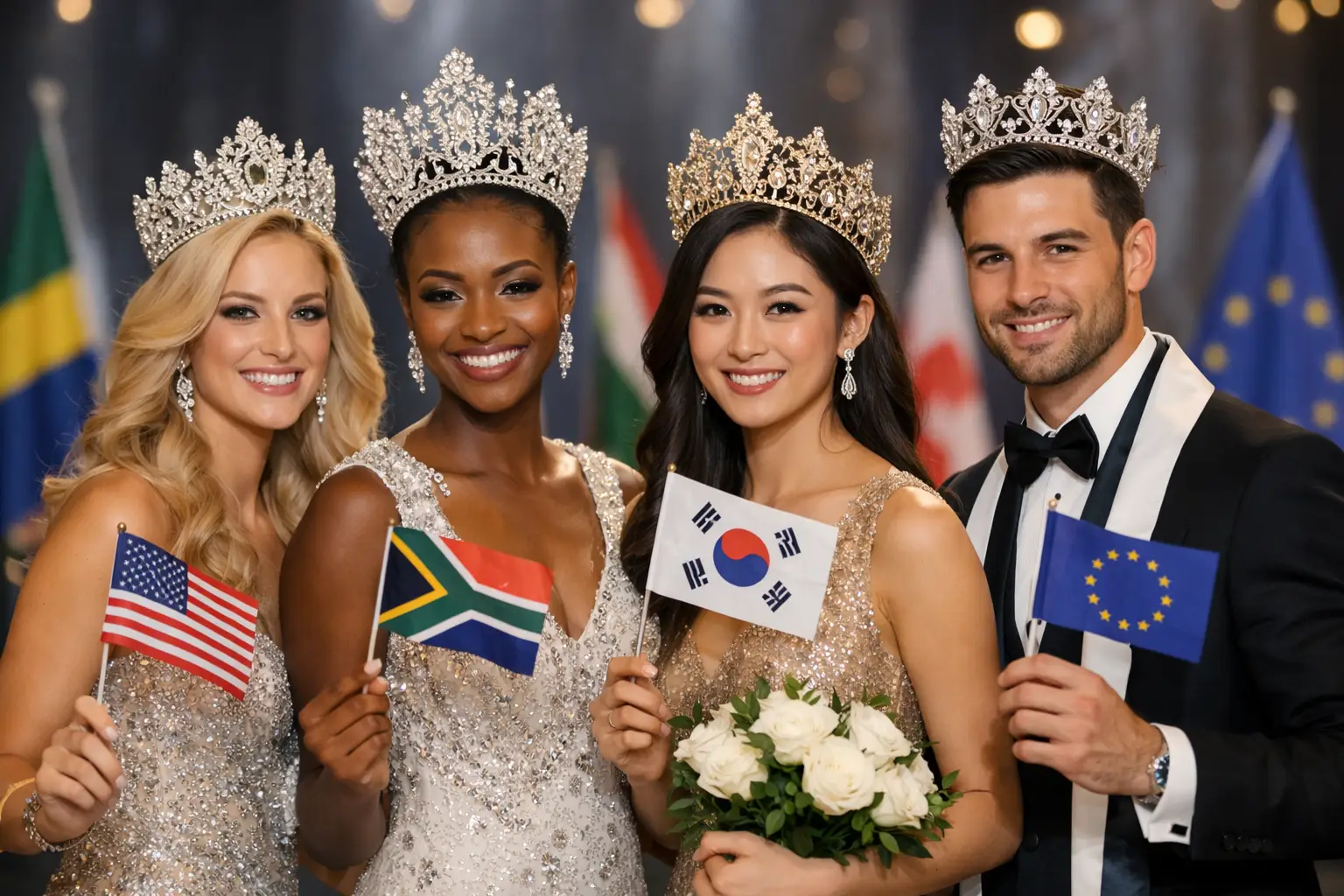
The lights, the introductions, the national pride, the final walk before a crown is placed – an international pageant competition is built to feel bigger than a typical event because it is. It brings together contestants from different backgrounds, age groups, and regions onto one polished stage where presence, preparation, and purpose all matter.
For contestants and families, that scale is part of the appeal. You are not simply entering another local title event. You are stepping into a format that celebrates global representation, personal excellence, and the kind of visibility that can open real doors in modeling, media, public speaking, and community leadership.
What makes an international pageant competition different
At its best, an international pageant competition combines glamour with meaning. The glamour is obvious – evening wear, stage production, photo moments, media attention, and the energy of a live finals experience. The meaning comes from what contestants represent when they walk on stage: confidence, discipline, culture, advocacy, and the ability to connect with an audience beyond appearance alone.
That distinction matters. A smaller pageant may focus mainly on a local title and a single age category. An international event usually operates on a larger platform, often with multiple divisions such as Miss, Mrs., Ms., Teen, Mr., and Kids. That wider structure creates more than convenience. It creates a fuller pageant community, one where individuals at different life stages can compete, celebrate, and grow within the same elevated event environment.
It also changes the atmosphere. Contestants tend to arrive with a higher level of intention. Families often treat the experience as both a competition and a milestone. Sponsors, supporters, and audiences view the stage as a showcase of talent, image, and global prestige. The result is more exciting, but it can also be more demanding.
Why contestants are drawn to the international stage
There is a reason the international level holds such strong appeal. Recognition carries more weight when the platform is broader. Winning is powerful, but even participation can expand a contestant’s confidence, portfolio, network, and public presence.
For some, the attraction is visibility. International titles and finalist placements can strengthen a personal brand and create opportunities for appearances, partnerships, and future competitions. For others, it is the experience itself – traveling, meeting contestants from other places, and performing in a world-class setting that feels worthy of the effort they have invested.
There is also an emotional side that should not be overlooked. Walking into a venue where contestants represent different cities, states, and countries creates a sense of occasion that is hard to match. It reminds participants that pageantry is not only about placement. It is about belonging to something larger, more ambitious, and more memorable.
The structure behind an international pageant competition
From the audience perspective, pageants can look effortless. From the contestant perspective, they are anything but. A strong international pageant competition is highly structured because fairness, timing, and presentation all depend on it.
Most events are built around divisions that reflect age and life stage. That approach is especially valuable for families and returning contestants because it allows people to compete in categories that fit their experience and season of life. A teen contestant, a married woman, a mother, and a male contestant should not be expected to present in exactly the same way. Separate divisions create room for each titleholder to shine on their own terms.
Judging categories vary by organization, but commonly include interview, formal wear, stage presentation, and sometimes fitness, fun fashion, or on-stage questions. The key point is that pageantry is rarely one-dimensional. Judges are often looking for the full package – appearance, communication, composure, personality, and the ability to carry a title with credibility.
That said, the exact balance can differ. Some pageants lean more heavily into advocacy and public speaking. Others place stronger emphasis on stage image and entertainment value. Contestants should never assume all international events reward the same strengths in the same proportions.
What judges and audiences are really responding to
Many first-time contestants make the mistake of focusing only on wardrobe. Beautiful styling matters, but it is not what makes someone unforgettable. In a high-level competition, people respond to contestants who look prepared, feel authentic, and command the stage without appearing forced.
That presence comes from consistency. A contestant who interviews with clarity, moves with confidence, and maintains poise under pressure will usually stand out more than someone wearing a stronger gown but offering a weaker overall presentation. Judges notice polish, but they also notice self-awareness. They can often tell when someone is performing a version of pageantry that does not suit their personality.
Audiences notice this too. The contestants who create a real impression are often the ones who project joy, warmth, and purpose from the moment they are introduced. A crown may symbolize beauty and status, but the path to that crown usually runs through discipline and connection.
Preparing for an international pageant competition
Preparation should begin well before arrival. The contestants who perform with confidence on stage are usually the ones who have already handled the details behind the scenes. That includes wardrobe planning, interview practice, travel coordination, paperwork, rehearsal readiness, and a realistic understanding of the event schedule.
Training helps, but thoughtful preparation matters more than chasing perfection. A contestant does not need to become someone else to compete well. She, he, or they need to become more intentional. That may mean refining posture, improving stage walk, practicing concise answers, or learning how to present an advocacy or platform with stronger impact.
Families also play a major role, especially in Teen and Kids divisions. Support can be a tremendous advantage when it remains organized and encouraging. It can become a distraction when expectations rise too high or when the pressure around appearance outweighs the purpose of the experience. The best support systems help contestants stay focused, calm, and excited about the moment.
Prestige, pressure, and the reality of competition
An international stage is exciting because it is prestigious. That same prestige can create pressure. Not every contestant will place, and even very strong competitors can leave without a title. That does not mean the experience lacked value.
This is where expectations matter. If success is defined only as winning, many contestants miss the broader rewards of competition. A finalist can gain confidence, create lasting friendships, sharpen public speaking skills, and build a stronger platform for future opportunities. Sometimes the most meaningful growth happens before the crown is ever awarded.
It is also worth being honest about trade-offs. International events require time, money, preparation, and emotional energy. They are not casual commitments. For some contestants, that investment feels completely worthwhile because of the visibility and experience. For others, a smaller or more regional event may be a better fit for the current season. The right choice depends on goals, budget, and readiness.
Choosing the right pageant platform
Not every pageant with a big name offers the same level of experience. Contestants should look closely at the event structure, available divisions, production quality, title expectations, and the overall brand identity. If the organization presents itself as a polished global platform, the contestant experience should reflect that in communication, event flow, and finals presentation.
A strong fit often comes down to alignment. Some contestants want a platform centered on community impact. Others want a spectacular stage experience with international representation and a clear sense of prestige. Some want both. That is one reason broad, family-inclusive organizations stand out. They create space for multiple ambitions within one elevated event.
United Nations Pageants is an example of how that vision can come together – bringing contestants across divisions onto a world finals stage that celebrates glamour, purpose, and international presence in one unforgettable experience.
More than a crown
The strongest international pageant competitions leave contestants with more than photos, sashes, and memories. They leave them with sharper confidence, stronger presentation skills, and a deeper sense of what it means to represent something beyond themselves.
That is what makes the experience worth taking seriously. A crown is a powerful symbol, but the real transformation happens in the preparation, the performance, and the moment a contestant realizes they belong on that stage. If you are considering the international level, choose the platform that matches your ambition – then show up ready to be seen.
Comments are closed