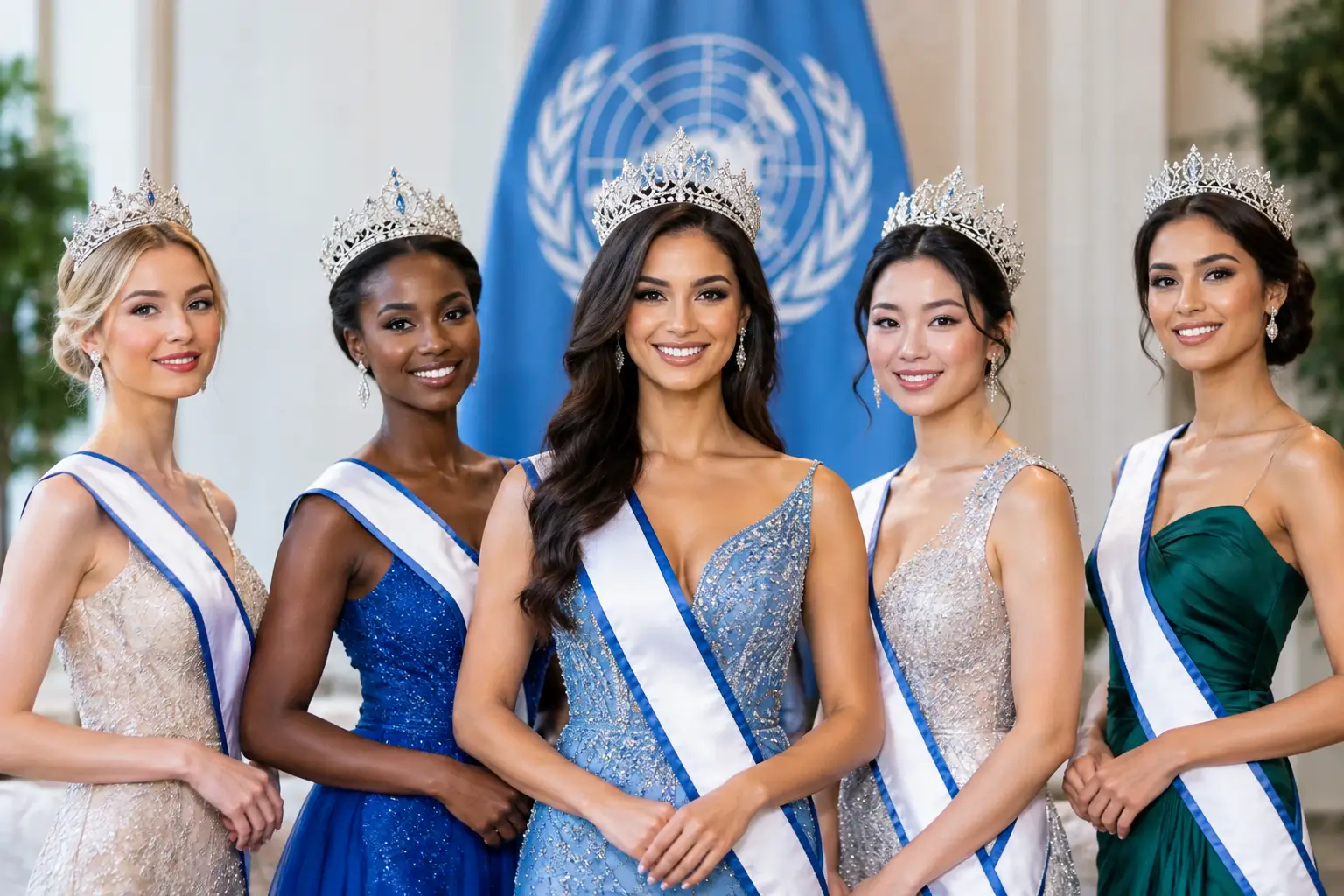
The interview room may be quieter than the stage, but it is where your presence speaks loudest. The best pageant interview dresses do more than look beautiful in photos – they help you walk in with confidence, communicate your personal brand, and keep the focus exactly where it belongs: on your answers, your purpose, and your poise.
A winning interview look does not have to be the most expensive dress in the room. It does need to feel intentional. Judges notice fit, grooming, posture, color, and whether your outfit reflects the mature, polished titleholder you are ready to become. The goal is not to disappear into a conservative uniform or compete with your own personality. It is to look refined, memorable, and completely at ease.
What Makes the Best Pageant Interview Dresses Stand Out
The strongest interview dresses create a polished first impression before the first question is asked. They are tailored to the contestant, appropriate for her division, and elevated enough for a prestigious competition without feeling costume-like.
Think of interview attire as executive polish with pageant-level glamour. A clean silhouette, beautiful fabric, and a strategic color can project leadership and warmth at once. When you look composed, you are freer to make eye contact, listen closely, and speak with conviction.
Fit is the non-negotiable detail. A dress that pulls across the shoulders, rides up when seated, gapes at the neckline, or requires constant adjustment will distract you and the judges. Even a simple dress becomes spectacular when it fits as though it was made for you. Plan to have your selection professionally altered, especially through the waist, hem, bust, and straps.
The best choice also matches the setting. A local daytime interview may call for a more understated sheath or structured midi dress, while a national or international finals event can support richer color, luxe fabric, or a more fashion-forward silhouette. Read the official contestant guidelines first. If there is a stated dress code, follow it closely. Personal style should enhance the rules, never challenge them.
Choose a Silhouette That Lets You Lead
A sheath dress remains a pageant interview favorite for a reason. Its clean vertical line photographs beautifully, flatters a range of body types, and carries a confident professional energy. A sheath with subtle waist definition is especially effective for contestants who want a classic, timeless look.
A fitted A-line dress can feel softer and more youthful while still looking polished. It offers ease through the hips and thighs, which makes it an excellent choice for Teen divisions or for anyone who wants freedom of movement. A structured fit-and-flare can work beautifully too, provided the skirt is not overly full or short.
For Miss, Ms., Mrs., and other adult divisions, a tailored midi often delivers sophisticated authority. A knee-length or just-below-the-knee hem is a dependable standard, though the ideal length depends on your height and the dress design. The hem should allow you to sit gracefully and cross your legs comfortably without tugging at the fabric.
Younger contestants should still look age-appropriate. Kids and younger Teen competitors can choose polished dresses with joyful color, modest necklines, and a shape that lets their natural personality shine. They do not need to dress older to be taken seriously. Poise is more powerful than imitation.
Whatever silhouette you select, test it in motion. Sit in a chair, stand up, walk briskly, turn, reach for a pen, and practice your introduction. An interview dress needs to perform as beautifully as it looks.
Color Should Support Your Message
Color is one of the fastest ways to create an impression. Jewel tones such as emerald, sapphire, ruby, cobalt, and deep magenta often look extraordinary under pageant lighting and in professional photographs. They feel confident without relying on excessive embellishment.
Bright colors can be equally memorable when they complement your skin tone and feel authentic to your personality. A clear red can project energy and leadership. Coral may feel warm and approachable. Royal blue often reads as composed and trustworthy. Soft pink, lavender, or powder blue can be lovely choices when the fabric and tailoring keep the overall effect polished rather than overly sweet.
Neutrals deserve consideration, too. Ivory, camel, navy, chocolate, and elegant black can look exceptionally sophisticated. The trade-off is that a neutral dress has to earn attention through fit, texture, and styling. A navy crepe sheath with impeccable tailoring can make a stronger statement than a brightly colored dress that does not flatter the contestant wearing it.
Be careful with colors that wash you out under bright lighting. If possible, photograph your dress in indoor light and daylight before committing. What looks perfect in a fitting room can appear very different on camera. Your interview look should bring light to your face, not compete with it.
Fabric and Details: Elevated, Not Overdone
Fabric tells part of the story before anyone notices the label. Crepe, ponte, mikado, structured stretch, and high-quality satin-backed materials tend to hold their shape and look polished throughout a long competition day. They also photograph well because they minimize wrinkling and create a smooth line.
A touch of texture can add distinction. Consider subtle jacquard, refined tweed, tonal brocade, or a tasteful floral texture for an event with a more fashion-forward feel. These details can make a solid-color dress feel special without becoming visually busy.
Sparkle is not automatically off-limits, but restraint matters. Interview is not evening gown. A small crystal detail at the waist, elegant buttons, a refined belt, or a delicate metallic thread can be beautiful. Heavy beading, oversized appliques, dramatic feathers, and high-shine sequins can pull focus from your face and make the outfit feel better suited for the Grand Finale and Coronation Show.
Necklines should frame your face and allow you to move without concern. Boat necks, modest V-necks, square necklines, jewel necks, and softly draped necklines are all excellent options. Choose what flatters you, but avoid anything so low, tight, or revealing that you think about it during every answer.
Style the Dress for a Complete Interview Look
Your accessories should complete the look, not create a second competition. A classic pump, pointed-toe heel, or elegant block heel is usually the most reliable footwear choice. Nude shoes can lengthen the leg, while a coordinated colored shoe can add personality when the overall look remains clean.
Jewelry should be intentional. Small hoops, pearl or crystal studs, a delicate bracelet, or one refined ring often provide enough finish. If your dress has an interesting neckline or embellished detail, simplify your jewelry even further. You want the judges to remember your expression, not wonder whether your earrings are competing with your dress.
Hair and makeup should reflect the same polished standard. Smooth, touchable hair, fresh complexion makeup, defined eyes, and a flattering lip color create a camera-ready finish. There is room for glamour, especially at a high-profile pageant, but interview beauty should still allow the judges to see you clearly.
Bring a light layer if the venue may be cool. A fitted blazer, elegant cropped jacket, or simple wrap can be useful before and after interview, though it should not hide the dress if the rules expect the full look to be visible. Keep a small emergency kit nearby with fashion tape, a lint roller, blotting papers, a stain-removal pen, and comfortable backup shoes.
Let Your Dress Reflect Your Titleholder Brand
The best pageant interview dresses are not copies of what worked for someone else. They are carefully selected expressions of who you are. A contestant whose platform centers on youth leadership may choose a bold, modern cobalt dress. Someone whose presence is classic and diplomatic may feel most powerful in a beautifully tailored ivory or navy silhouette. Both can be unforgettable because both are believable.
For contestants preparing for an international stage such as United Nations Pageants, your look can also honor the scale of the occasion. Aim for fashion that feels globally polished, respectful, and ready for the spotlight. Your dress should suggest that you understand the privilege of representing more than yourself – your community, your platform, and the purpose behind your title.
Do not wait until interview day to decide whether the dress is right. Wear it during mock interviews and record yourself answering questions while seated and standing. Notice whether you feel elegant, capable, and fully present. If you keep adjusting the hem, worrying about the neckline, or wishing you had chosen another color, listen to that signal.
Choose the dress that lets your confidence arrive first. When your wardrobe supports your message, you can step into the interview room ready to be seen, heard, and remembered for everything you are prepared to accomplish.
Comments are closed