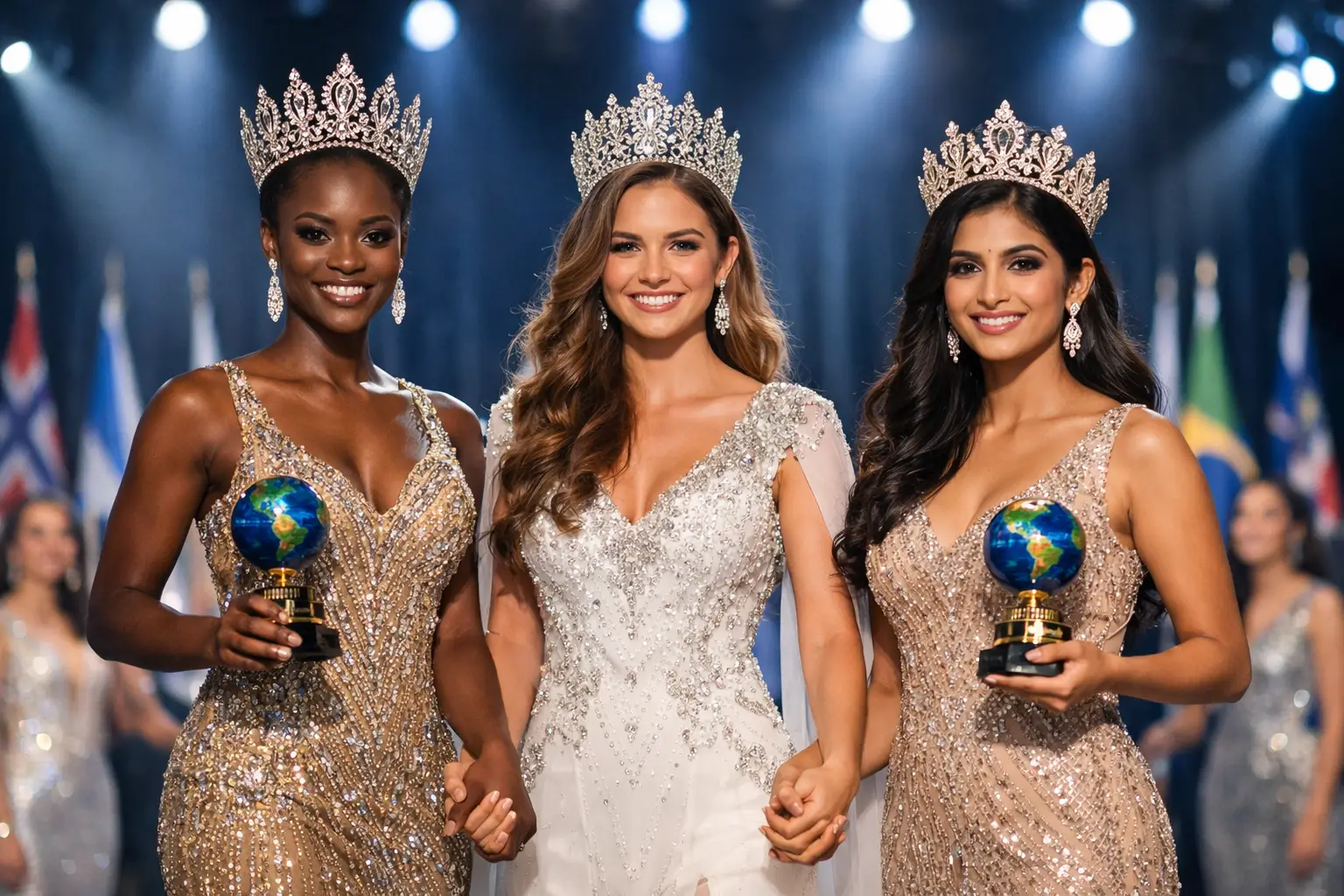
A World Finals stage is not simply a brighter spotlight or a larger crown. It is the moment contestants arrive carrying the pride of a city, state, country, culture, family, or personal journey and present it before an international audience. For anyone asking, what is a world pageant, the clearest answer is this: it is a high-level title competition that brings together qualified delegates from multiple regions or countries to compete for a global title.
The experience is designed to feel extraordinary because it is. Contestants prepare for more than a single appearance. They step into a polished event environment where confidence, communication, presentation, personality, purpose, and poise all have a place. The crown may be the visible prize, but the platform, recognition, relationships, and memories often become just as meaningful.
What Is a World Pageant?
A world pageant is an international-level competition, usually culminating in a World Finals event, where delegates represent a location, title, or assigned region. Depending on the organization, contestants may qualify through local, state, national, online, or direct-entry pathways. They then compete alongside delegates whose backgrounds, stories, and life experiences may be entirely different from their own.
This international element changes the energy of the competition. A contestant is no longer only asking, “How will I perform?” She, he, or they may also ask, “How will I represent where I come from?” That responsibility can make a world title especially prestigious. Delegates are invited to bring their own style and voice to the stage while honoring the standards of the organization and the significance of their title.
The phrase “world pageant” can mean different things across the pageant industry. It does not automatically describe one universal format, scoring system, or governing body. One organization may focus heavily on interview and community advocacy, while another places greater emphasis on fashion, runway, talent, modeling, or entertainment. Before entering, contestants should always review the official rules, divisions, competition areas, fees, expectations, and titleholder responsibilities for that specific system.
What Makes a World Pageant Different?
The most obvious difference is scale. A local pageant may celebrate a community. A state pageant can bring together a broader field of competitors. A world pageant creates a meeting point for delegates from across the United States and beyond, turning a competition into a true celebration of global representation.
That does not mean every contestant must travel from another country to create an international atmosphere. World Finals often welcome delegates representing states, regions, nations, heritage, or official titles. What matters is the shared standard: each contestant arrives prepared to represent something bigger than herself or himself.
A world pageant also tends to create a more elevated production experience. Think official rehearsals, contestant check-in, opening presentations, professional photography, sponsor visibility, formalwear moments, on-stage introductions, preliminary events, and a Grand Finale and Coronation Show. The exact schedule depends on the organization, but the goal is consistent – to create a spectacular setting worthy of the delegates and the titles at stake.
For families, this larger setting can be especially exciting. Parents of younger contestants see their child develop stage confidence and social skills in a supervised, celebratory environment. Teen delegates gain opportunities to practice leadership, communication, and self-presentation. Adult contestants may find a renewed sense of personal ambition, whether they are competing as a Miss, Mrs., Ms., or representing another division. A Mr. division offers men the same opportunity to compete with pride, purpose, and presence.
More Than Beauty, More Than a Crown
Pageantry has always included presentation, but a modern world pageant can ask contestants to bring much more to the stage. Interview gives judges and audiences a chance to understand a delegate’s personality, goals, and ability to communicate. Evening wear or formalwear can showcase elegance, confidence, and command. Optional competitions may give delegates room to highlight talent, fashion, fitness, photogenic appeal, or a personal cause.
The balance matters. A contestant with a beautiful gown but little preparation for interview may not feel ready when asked about her platform or aspirations. A strong speaker who overlooks stage presence may miss an opportunity to make a memorable visual impression. The most compelling delegates usually understand that pageantry is both personal and professional: they prepare their appearance, but they also prepare their message.
Purpose gives a world title weight beyond the final announcement. Many titleholders use their year of reign to support community initiatives, appear at events, encourage younger participants, partner with sponsors, and share causes that matter to them. The specific obligations vary by organization, so prospective contestants should look for a system whose mission aligns with their own ambitions.
At United Nations Pageants, that vision is captured in a simple promise: for the glamour, for the purpose, for the world. A World Finals event in Fort Lauderdale creates a glamorous destination experience, while the range of divisions makes room for contestants at different ages and life stages to be recognized on an international platform.
How Contestants Prepare for World Finals
Preparation is where a dream of competing becomes a confident performance. The best approach is not to copy another contestant’s walk, wardrobe, or interview style. It is to become a more polished version of yourself.
Start with the official contestant packet. Know every deadline, rehearsal requirement, appearance expectation, and competition category. World-level events move quickly, and delegates who stay organized can focus their energy on enjoying the experience rather than solving last-minute problems.
Next, practice the skills that will be judged. For interview, prepare to discuss your background, interests, goals, platform, and title plans in clear, natural language. Avoid memorizing speeches so tightly that your answers lose warmth. A great interview feels prepared, not scripted.
For stage competition, rehearse in the shoes and outfits you plan to wear whenever possible. Learn how to enter, pause, turn, pose, and exit with intention. Video can be useful here. It shows posture, pace, facial expression, and the small habits that are difficult to notice in the mirror.
Wardrobe deserves thoughtful planning, but it should serve the contestant rather than overpower her or him. The right look fits well, photographs beautifully, follows the pageant guidelines, and allows the delegate to move comfortably. A more expensive outfit is not always a better choice. Fit, styling, confidence, and appropriateness can make a more powerful impression than a label.
Finally, prepare for the social side of the event. World pageants introduce contestants to delegates with different experiences and perspectives. Be open, gracious, and supportive. The contestants you meet backstage, at rehearsals, and during group events may become part of your pageant family long after the final crown is presented.
Choosing the Right World Pageant for You
Not every world pageant will be the right fit, and that is a healthy reality. A first-time contestant may prefer a system with clear guidance, welcoming divisions, and an emphasis on personal growth. An experienced competitor may seek a highly produced finals event, stronger media visibility, or a title that supports extensive travel and appearances. Parents may prioritize professionalism, age-appropriate standards, scheduling, and communication.
Ask practical questions before committing. What are the eligibility requirements? What does the entry fee include? Are travel, hotel, wardrobe, photography, or optional competition costs separate? What will the winner be expected to do during the reign? How are judges selected, and what areas are scored? Clear answers help a contestant invest with confidence.
It also helps to define your own goal. Are you pursuing a crown, building confidence, creating content, meeting mentors, representing a cause, making family memories, or stepping onto a major stage for the first time? There is no single “right” reason to compete. The strongest experience comes when your purpose and the organization’s opportunity match.
The Moment You Represent the World
A world pageant is a competition, and only one delegate may receive the top title in each division. That truth is part of what makes the final announcement so thrilling. Yet the experience should never be reduced to one name called at the end of the night.
When you enter a World Finals event prepared, present, and proud of your story, you have already claimed something significant: the courage to be seen. Bring the gown, the confidence, the conversation, and the cause that matters to you. Then let the world meet the person behind the title.
Comments are closed