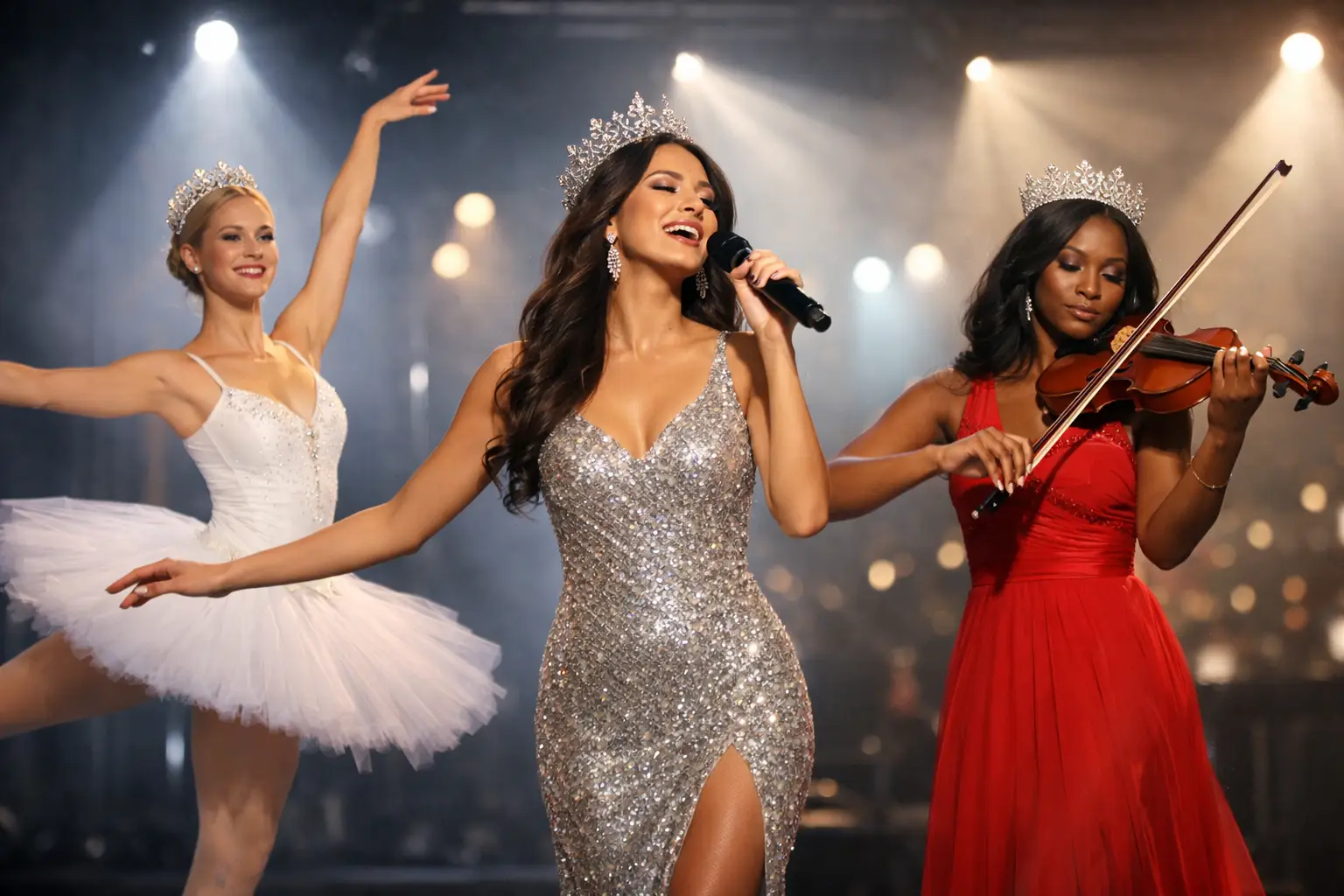
A talent competition is not a side moment between gowns and interview. It is your opportunity to command the spotlight with skill, personality, and purpose. The best pageant talent ideas do more than fill a time limit. They give judges a clear reason to remember your name long after the final bow.
At a prestigious pageant stage, a high-scoring talent feels intentional from the first beat of music to the final pose. It should fit your age division, showcase preparation, and reveal something authentic about who you are. A technically difficult performance can be spectacular, but a simple talent performed with polish, confidence, and heart can be just as powerful.
How to Choose the Best Pageant Talent Idea for You
Start with the talent you can perform consistently under pressure. Choose a skill you already enjoy, then elevate it through coaching, staging, wardrobe, music editing, and rehearsal. The goal is not to imitate another contestant’s winning moment. The goal is to create a performance that makes sense for your strengths.
Consider the practical details early. Know the event’s time limit, permitted props, music submission rules, stage size, and any age-division guidelines. A dramatic prop routine may need a large stage and extra setup time. A piano performance depends on whether an instrument is available. A simpler act may give you more freedom to focus on expression and precision.
Your talent should also have an emotional shape. Open with confidence, build toward a memorable moment, and finish in a position that looks camera-ready. Every second should feel purposeful. If a section does not show skill, character, or momentum, refine it or remove it.
15 Best Pageant Talent Ideas for a Standout Performance
1. Vocal Performance
Singing remains a classic pageant talent because it can create an immediate emotional connection. Select a song that suits your vocal range instead of chasing the biggest possible note. A well-interpreted ballad, an energetic musical theater selection, or an uplifting anthem can all work beautifully when the arrangement matches your voice.
Avoid a song that is overly common unless you have a fresh interpretation. Your posture, eye focus, movement, and ending pose should support the story of the lyrics rather than distract from them.
2. Ballet or Lyrical Dance
Ballet and lyrical dance bring elegance, control, and grace to the stage. These choices are especially effective for contestants with strong lines, technical training, and the ability to communicate emotion through movement.
The trade-off is that subtle dance can be difficult to read in a large venue. Choose music with a clear emotional rise and make every movement expansive enough for the audience in the back row.
3. Tap Dance
Tap is bright, rhythmic, and instantly engaging. It gives a contestant the chance to show musicality as well as athletic coordination. A clean, upbeat tap number can create the kind of energy that changes the atmosphere in the room.
Invest in sound quality. Judges need to hear the clarity of your feet, so confirm that the stage surface and microphone setup will support the performance.
4. Cultural Dance
A cultural dance can be a meaningful way to honor heritage while bringing color, rhythm, and global spirit to the competition stage. Whether your performance draws from folk traditions, regional styles, or a family legacy, present it with respect, knowledge, and careful preparation.
Costume, music, and choreography should work together. Share your connection to the piece if the pageant format allows a short introduction, but let the performance itself remain the centerpiece.
5. Ballroom or Latin Dance
Ballroom and Latin styles offer glamour, precision, and undeniable showmanship. A solo routine can be highly effective, especially when it includes strong footwork and confident partnering-inspired choreography without requiring another person onstage.
These styles demand clean technique. If the routine is fast, keep it within your ability level so your smile and poise stay intact through the final count.
6. Instrumental Performance
Playing violin, piano, guitar, flute, harp, drums, or another instrument can distinguish you in a talent lineup. Instrumental talent communicates dedication, discipline, and artistry, particularly when you choose a piece with contrast and a clear finale.
Before committing, confirm the logistics. Bringing an instrument onstage, adjusting a stool, or connecting equipment can affect your time. Prepare a plan that feels polished rather than rushed.
7. Spoken Word Poetry
Spoken word is one of the strongest pageant talent ideas for contestants with a compelling voice and a message worth sharing. A well-written original poem can connect to service, confidence, identity, resilience, or community without becoming a speech.
Keep the delivery theatrical and specific. Vary your pacing, use purposeful pauses, and memorize every word so you can connect directly with the audience instead of searching for the next line.
8. Monologue or Dramatic Acting
A monologue lets you demonstrate character development, vocal range, and emotional command. It works best when the piece has a beginning, turning point, and strong resolution within the available time.
Choose material appropriate for your division and personal brand. The most effective monologue is not necessarily the most intense. It is the one you can perform with clarity, truth, and full ownership.
9. Musical Theater
For contestants who can sing, dance, and act, musical theater offers a complete mini-production. This is a wonderful option for a performer who thrives on personality and storytelling.
Because the genre can become busy quickly, edit with care. One strong song selection, a few deliberate choreography moments, and a confident character choice often make a bigger impact than an overpacked medley.
10. Cheer, Pom, or Dance Team Style Performance
A high-energy cheer or pom routine can bring athleticism and excitement to the stage. Sharp motions, clean turns, jumps, and a strong performance face can make this choice especially effective for Teen and Kids divisions.
Be thoughtful about safety. Do not add tumbling passes or stunts you cannot execute consistently on an unfamiliar stage. Confidence looks far more impressive than a risky trick that disrupts the routine.
11. Gymnastics or Acro Dance
Gymnastics and acro can create a spectacular visual moment when paired with dance and strong musical timing. The key is transition. A series of skills becomes a talent performance only when it has flow, presentation, and a beginning-to-end concept.
Use high-impact skills strategically instead of repeating them. One beautifully placed aerial, handspring series, or contortion moment can be more memorable than a routine that never gives the audience a chance to react.
12. Martial Arts Demonstration
Martial arts brings discipline, power, and distinction to a pageant talent competition. Forms, weapons demonstrations where permitted, and choreographed combinations can communicate focus and confidence.
Your presentation matters as much as your technique. Enter with calm authority, use crisp movements, and end with a strong final stance. This talent is especially compelling when it reflects years of training and personal commitment.
13. Sign Language Performance
An American Sign Language interpretation of a song can be moving, expressive, and visually beautiful. It requires much more than memorizing signs. Facial expression, rhythm, phrasing, and accuracy are essential to honoring the language and delivering the message.
Work with a qualified instructor or Deaf mentor whenever possible. Thoughtful preparation protects the integrity of the performance and helps you create a moment with real meaning.
14. Live Art or Speed Painting
For a contestant with visual-art skills, creating a painting onstage can be unexpected and captivating. The reveal matters most, so design a piece that reads from a distance and transforms dramatically by the final seconds.
This choice requires practice under a timer. Consider lighting, paint cleanup, easel stability, and how your costume will look while you work. The result should feel like a performance, not a studio session.
15. Original Talent Fusion
Some contestants shine brightest by blending two related skills: violin and dance, singing and sign language, poetry and movement, or cultural music with a traditional dance. A fusion performance can feel fresh and personal when there is a clear reason for every element.
Do not combine talents just to be different. If the transitions are awkward or one skill overshadows the other, simplify. Originality is most powerful when it remains focused.
Make Your Talent Performance Look Competition-Ready
Great talent preparation happens long before the stage lights come up. Rehearse in the shoes you will wear, with your exact music cut, props, and costume whenever possible. Record full run-throughs and watch for small details: rushed transitions, unfocused eyes, uneven posture, or an ending that fades instead of lands.
Your wardrobe should complement the act without competing with it. A dance costume needs movement and secure coverage. A vocalist may benefit from an elegant look that supports breath and confidence. For every division, select colors and silhouettes that remain flattering under bright stage lighting.
Most of all, rehearse your recovery plan. Music can start late, a prop can shift, or nerves can appear without warning. A prepared contestant takes a breath, stays poised, and continues. That composure is part of the talent judges see.
At United Nations Pageants, every moment onstage is an invitation to represent yourself with glamour, purpose, and pride. Select a talent that reflects your story, practice until it feels like second nature, and step into the spotlight ready to give the audience a performance they will celebrate.
Comments are closed