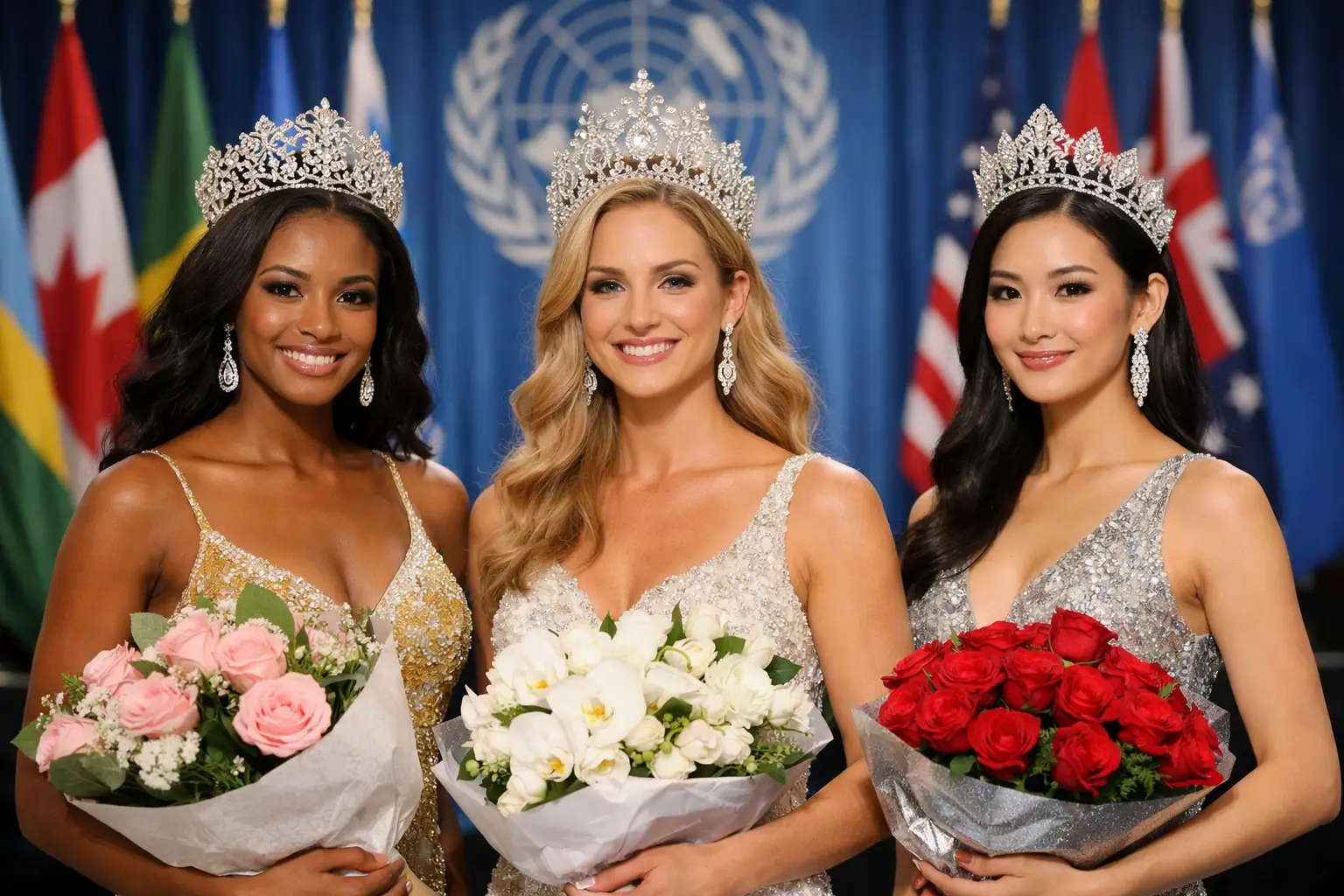
The spotlight turns harsh the moment you decide to compete internationally. Local titles can reward potential. A world-stage event expects polish, preparation, and presence. That is why understanding international beauty pageant requirements early can change everything about how you train, apply, and show up when the competition begins.
At the international level, requirements are rarely just about looking camera-ready. They usually reflect something bigger – eligibility, professionalism, representation, and your ability to carry a title with confidence. For contestants, parents, and support teams, the smartest move is to treat requirements as part of the competition itself, not paperwork to handle at the last minute.
What international beauty pageant requirements usually include
Most international pageants build their entry standards around a few core categories: age division, legal documentation, appearance rules, stage presentation, and conduct expectations. The exact details vary by organization, which matters more than many first-time contestants realize. A teen division, for example, may have very different rules from a Mrs. or Ms. division, and child divisions often involve added parental obligations.
That means there is no single universal checklist for every competition. Still, there are common standards that appear again and again across major events. If you understand those standards, you will be in a much stronger position when it is time to apply.
Age and division eligibility
Age is one of the first filters in any pageant system. International competitions are typically organized into divisions such as Teen, Miss, Mrs., Ms., Mr., and Kids. Each division has a specific age range, and sometimes additional life-stage criteria as well.
This is where contestants need to slow down and read carefully. Miss and Ms. are not always interchangeable. Mrs. divisions may require legal marital status. Teen divisions may have narrower age windows tied to a specific date. Kids divisions can involve parent or guardian participation throughout the event process. If you enter the wrong division, even by accident, it can create problems later.
Nationality, residency, or title qualification
Not every international pageant accepts open applications from every contestant. Some require you to hold a local, regional, state, or national title before advancing to the world stage. Others may allow direct applications if you meet specific eligibility terms.
You may also need to prove residency, citizenship, or official representation status for the country, state, or territory you plan to represent. For international contestants, this step is especially important. A glamorous presentation means little if your documentation does not support your official entry.
Documents and entry materials
This is the least glamorous part of pageantry, but it is one of the most important. International-level applications often require government-issued identification, proof of age, signed entry forms, release forms, and professional photos. Minors usually need parent or guardian signatures, and some competitions may require medical, school, or travel-related paperwork depending on the event format.
Your materials should be clean, complete, and submitted on time. Missing deadlines or turning in low-quality photos can send the wrong message before you ever step on stage. In a prestige-driven environment, presentation starts long before the opening number.
Appearance standards are real, but they are not the whole story
Many contestants hear “requirements” and think only about gown size, hair, makeup, and fit. Those details matter. International pageantry is a visual arena, and strong styling absolutely affects first impressions. But appearance standards usually sit inside a broader expectation: can you present yourself as a titleholder?
That includes grooming, wardrobe selection, posture, confidence, and the ability to maintain a polished image across multiple event segments. Evening wear may call for elegance and precision. Interview attire may need a more refined, leadership-forward look. Fitnesswear or activewear segments, if included, tend to reward health, confidence, and composure more than one narrow body type.
The trade-off here is simple. Glamour is expected, but overstyling can work against you if it distracts from your personality or makes you look uncomfortable. The strongest contestants choose looks that elevate them rather than overpower them.
Communication is one of the biggest international beauty pageant requirements
A contestant can have a spectacular wardrobe and still lose momentum in interview. On an international stage, communication is not an extra category. It is often one of the most decisive factors in the competition.
Judges typically look for clarity, poise, warmth, and the ability to answer with substance under pressure. They want to see someone who can speak to media, sponsors, audiences, and community partners with confidence. If the pageant emphasizes purpose, advocacy, or global representation, your message matters even more.
This is where preparation separates hopeful contestants from serious contenders. Practice answering questions out loud. Refine your personal introduction. Know how to talk about your goals, your platform, and your reason for competing without sounding rehearsed. A strong answer should feel polished, but still personal.
Language and international presence
Not every international event requires fluency in multiple languages, but contestants should be ready for a multicultural environment. That means showing respect, awareness, and adaptability in how you communicate on and off stage.
For some contestants, this may simply mean strengthening interview skills in English. For others, it may mean being prepared to connect with a global audience, answer press questions, or represent a title across cultural settings. Presence is not only about what you say. It is also about how you carry yourself when the room is watching.
Conduct, professionalism, and titleholder expectations
International pageants often hold contestants to standards that go far beyond competition weekend. Codes of conduct can cover public behavior, online presence, punctuality, sportsmanship, and how contestants interact with staff, fellow delegates, and sponsors.
This matters because pageants do not just crown a winner. They select a representative. A titleholder may be expected to appear at events, promote the brand, engage in community-facing opportunities, and maintain an image aligned with the organization. If you are pursuing a prestigious platform, professionalism is part of the requirement, not a bonus feature.
For parents of younger contestants, this also means understanding the family commitment involved. Timeliness, travel readiness, wardrobe planning, and positive backstage behavior all shape the experience.
Performance readiness counts more than first-time contestants expect
Many pageants include multiple scored segments, rehearsals, opening numbers, appearances, and stage transitions. Even if a contestant is naturally photogenic, that does not always translate to live performance strength.
International competition demands stamina. You may need to manage long rehearsal days, fast changes, camera moments, and high-pressure interviews while staying polished. That is why real preparation often includes runway coaching, public speaking practice, fitness, wardrobe fittings, and mental focus work.
It also helps to understand that every system scores differently. Some place heavier emphasis on interview. Others spotlight stage presentation, photogenic appeal, or overall impression. Knowing the format ahead of time helps you prepare strategically instead of guessing.
How to prepare for international beauty pageant requirements without getting overwhelmed
The strongest contestants break the process into phases. First, confirm eligibility and division placement. Next, gather all documents and complete your application with care. Then focus on image, communication, and performance preparation well before finals week.
Do not wait until the event date to test your gown, shoes, walk, or interview delivery. Small issues become very noticeable under stage lights. A hemline that drags, a shoe that slips, or an answer that falls apart mid-sentence can take attention away from your strengths.
It also helps to build a support system. For some contestants, that means a coach, stylist, or choreographer. For others, it means family members who can help keep travel, timing, and logistics organized. In family-inclusive systems with multiple divisions, that support can make the experience smoother and far more enjoyable.
One respected example is United Nations Pageants, which reflects how modern international competition can bring glamour, purpose, and global representation together in one elevated experience. That kind of platform raises the standard in the best possible way. It asks contestants not only to compete, but to rise.
The real standard behind the sparkle
When people ask about international beauty pageant requirements, they often want a simple checklist. The truth is more exciting than that. Yes, there are rules, forms, age brackets, and wardrobe expectations. But the deeper requirement is readiness – readiness to represent, to perform, to communicate, and to step onto a global stage with confidence.
If you treat the process with intention, the requirements stop feeling like barriers. They become your blueprint for showing up at your highest level, with glamour, purpose, and a presence that belongs under the lights.
Comments are closed