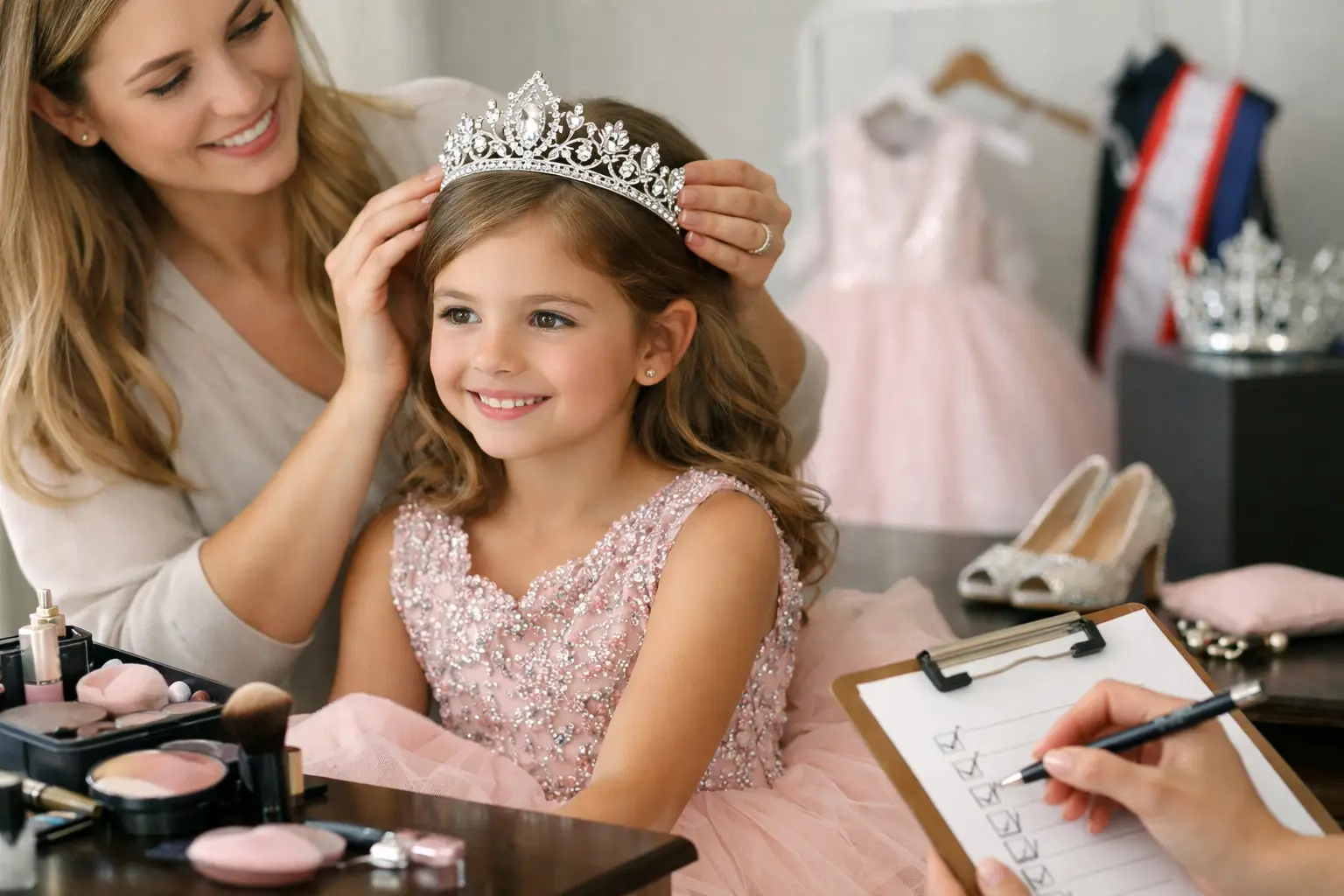
The week before a pageant can feel like a whirlwind – one missing shoe, one wrinkled outfit, one rushed morning, and the sparkle starts fading fast. A strong kids pageant preparation checklist brings everything back into focus, so your child can step into the spotlight feeling confident, polished, and ready to shine.
For parents, preparation is not just about costumes and curls. It is about creating a calm, exciting experience that helps a young contestant feel supported from registration to the final walk. The most successful pageant days are rarely improvised. They are carefully organized, thoughtfully paced, and built around the child’s comfort as much as the competition itself.
Why a kids pageant preparation checklist matters
Children perform best when the adults around them are prepared. That does not mean every moment has to be rigid. It means the essentials are handled early enough that pageant day feels celebratory instead of stressful. When a child knows what to expect, what to wear, and when to be ready, confidence often follows naturally.
A checklist also helps families avoid a common mistake – overpreparing in one area while neglecting another. It is easy to spend hours perfecting a dress and forget the backup tights, the entry paperwork, or the snack that keeps energy steady between rehearsals and stage calls. In pageantry, poise is built long before the lights come up.
Start with the competition details
Before you pack a single garment bag, review the event materials carefully. Every pageant has its own schedule, rules, age divisions, and appearance expectations. Some events are highly formal, while others lean more personality-driven. Understanding the categories ahead of time shapes every other choice you make.
Confirm arrival time, check-in procedures, music requirements if talent is involved, and any rehearsal expectations. If the pageant includes multiple appearances, map those moments out in order. Parents who know the flow of the day are better equipped to keep their child relaxed and on time.
This is also the right moment to check any deadlines tied to forms, photos, titles, or optional competitions. A glamorous presentation begins with polished logistics.
Wardrobe should be stage-ready, not just beautiful
Wardrobe is one of the most visible parts of any kids competition, but appearance alone is not enough. The best pageant wardrobe is elegant, age-appropriate, and easy for the child to wear with confidence. If a dress looks spectacular but causes discomfort, constant adjusting, or walking issues, it may become a problem under stage lights.
Choose each outfit based on fit, movement, and category expectations. Formal wear should allow the child to walk naturally. Interview or personality wear should reflect both style and comfort. If there is an opening number or theme outfit, make sure every accessory is already paired and packed.
It helps to try on every complete look several days in advance. That means dress, shoes, undergarments, jewelry, and hair accessories together. This is when you catch the details that tend to create last-minute panic, like loose straps, itchy fabric, or shoes that suddenly feel too tight.
What to pack with each outfit
Every look should have its own mini kit. Include the outfit, shoes, accessories, extra hosiery if needed, and a backup item for anything easy to lose or damage. Garment bags labeled by category make quick changes much easier backstage.
A small emergency fashion kit is worth packing too. Safety pins, fashion tape, a stain remover pen, clear nail polish, a lint roller, and a sewing kit can save the day without disrupting the mood.
Hair and makeup should enhance, not overwhelm
In children’s pageantry, polished presentation should still look fresh and age-appropriate. Hair and makeup choices depend on the event, the lighting, and the child’s features, but the overall goal is the same – clean, camera-ready, and confident.
Practice the hairstyle before pageant day. A style that looks easy in theory can take much longer when time is tight. Make sure the child can move comfortably, and check whether the style still looks smooth after walking, sitting, and changing outfits. If you are using hairpieces or accessories, test those in advance as well.
For makeup, less is often more for younger contestants. Stage lighting can wash out features, so some definition may help, but the result should still feel soft and child-friendly. The polished look should support the child’s natural charm rather than compete with it.
If you are booking a stylist, confirm appointment times, arrival expectations, and what products or prep steps are needed beforehand. If you are doing it yourself, set everything out the night before in the order you will use it.
Practice presence, not perfection
One of the biggest misconceptions in children’s pageantry is that winning comes down to a perfectly rehearsed routine. In reality, judges often respond strongly to comfort, personality, and stage presence. Children who feel natural onstage usually leave the strongest impression.
That means practice should build familiarity, not pressure. Work on walking, smiling, posture, simple turns, and how to enter and exit the stage area. If the child is doing a short introduction, keep it clear and easy to remember. If she forgets a line under pressure, confidence matters more than flawless wording.
Short practice sessions tend to work better than long ones. Children absorb more when rehearsal stays upbeat and focused. Praise progress. Correct gently. Keep the experience connected to confidence and celebration.
Build real comfort in pageant shoes
Shoes deserve their own practice time. A child who feels unstable in pageant shoes may lose confidence quickly. Walk in them at home, on different surfaces if possible, and with the actual dress length. This helps prevent tripping, awkward pacing, or visible discomfort onstage.
If the shoes are new, do not save them for competition day. Breaking them in slightly can make a major difference.
Plan for energy, timing, and temperament
Children do not compete well when they are tired, hungry, or overstimulated. A practical kids pageant preparation checklist includes the child’s physical and emotional needs just as much as her wardrobe.
Pack water and easy, non-messy snacks. Bring something quiet and comforting for downtime, especially if there will be long waits. A favorite small activity, headphones, or a simple book can help preserve calm energy backstage.
Sleep also matters more than families sometimes admit. A late night of packing, curling, and stressing can show up the next day in posture, mood, and focus. Whenever possible, finish prep early and protect the child’s rest.
Temperament matters too. Some children stay relaxed with lots of chatter and excitement around them. Others need a quieter corner and fewer voices. The right approach depends on the child, not the adult vision of what pageant day should feel like.
The pageant bag should cover more than beauty items
A well-packed pageant bag keeps the day moving smoothly. Beyond cosmetics and wardrobe tools, think about the items families often wish they had once the event starts. Bring tissues, wipes, a phone charger, breath mints if age-appropriate, a brush or comb, and any medication the child may need.
Keep copies of registration details, music files if required, contestant numbers, and emergency contacts in one folder or pouch. Digital backups are helpful, but printed copies can be a smart extra layer when schedules get busy.
If the event spans several hours, bring a change of comfortable clothes for breaks. That can protect formal wear from spills and help the child reset between appearances.
Mindset can change the entire experience
A child can look spectacular and still feel overwhelmed if the emotional tone around her is tense. The most memorable pageant experiences come from an atmosphere that feels exciting, encouraging, and purposeful.
Talk about the event in a way that celebrates effort, poise, and participation. Winning is wonderful, but it should not be the only measure of a successful day. Children who feel proud of how they presented themselves often leave the stage with stronger confidence, no matter the final result.
Parents set the emotional rhythm. If you stay calm, flexible, and positive, your child is more likely to do the same. If something goes off schedule, recover quickly. A missed curl, a delayed lineup, or a wardrobe snag does not have to define the moment.
For families entering a polished international platform such as United Nations Pageants, that sense of confidence matters even more. Prestige onstage begins with preparation behind the scenes, but the real magic happens when a child feels supported enough to enjoy the spotlight.
A final check before you leave
The best final review is simple. Are the outfits complete, the paperwork ready, the shoes packed, the snacks packed, the schedule confirmed, and the child rested? If the answer is yes, you are in a strong position.
Pageant preparation is never about controlling every detail. It is about creating the conditions for a child to feel radiant, composed, and fully ready for her moment. When the planning is thoughtful, the stage becomes what it should be – a place to celebrate confidence, personality, and presence.
Comments are closed