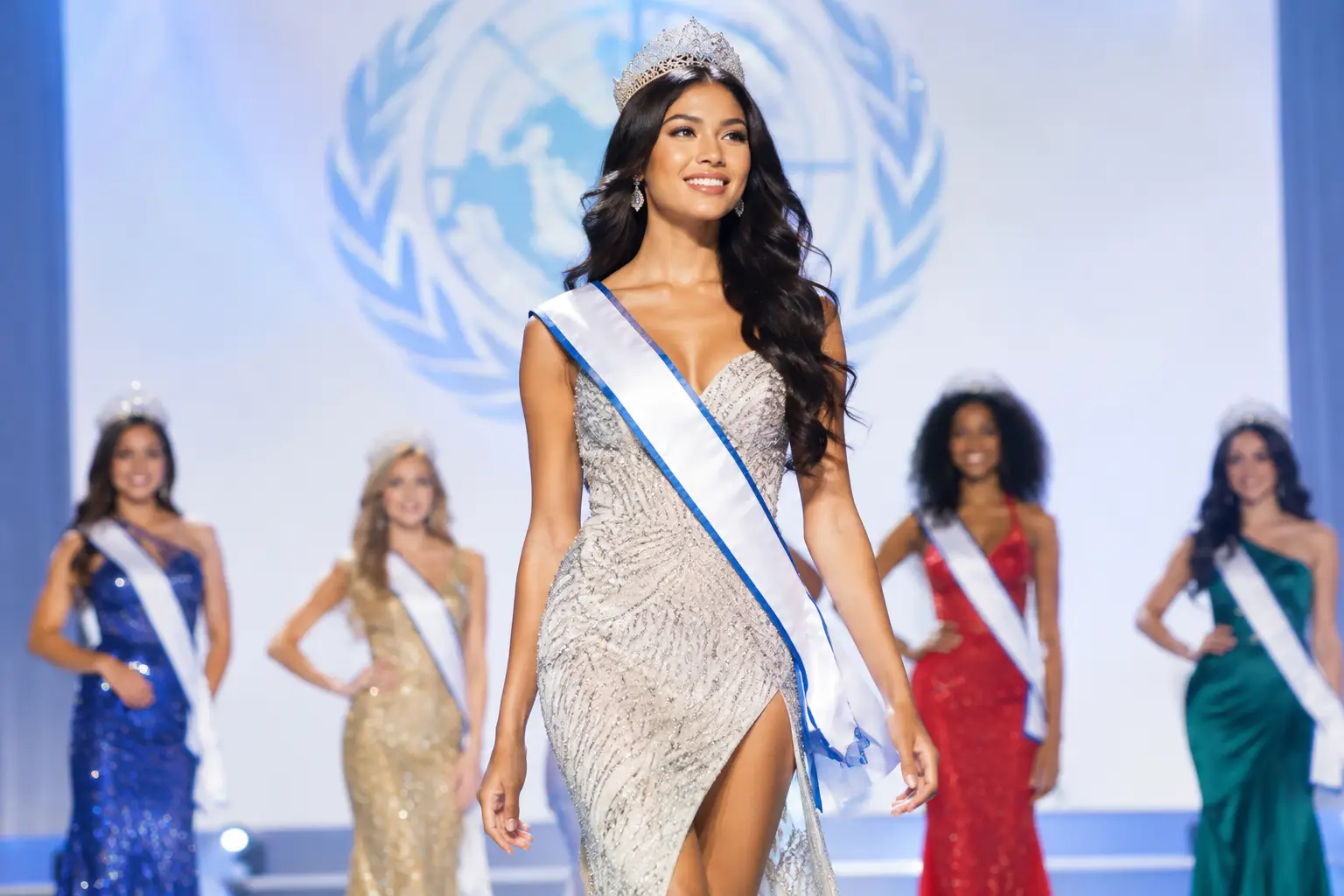
The lights can be spectacular, the gown can be unforgettable, and the audience can be full of support. Yet the moment you step onto the stage, your walk tells the judges who you are before you ever reach your first pose. A strong practice pageant runway walk gives you more than polished movement. It gives you command, confidence, and the freedom to enjoy your moment in the spotlight.
Runway practice is not about copying someone else’s stride or forcing a high-fashion attitude that does not feel like you. It is about creating a presentation that fits your division, your wardrobe, your personality, and the level of the competition. Your walk should look intentional from the first step to the final exit.
Start With a Pageant-Ready Foundation
A memorable runway walk begins before your foot moves. Stand tall with your shoulders relaxed and open, your chin parallel to the floor, and your core engaged. Imagine a gentle lift through the crown of your head. This keeps you from looking stiff while giving your body the long, elegant line that reads beautifully from the judges’ table.
Your arms should support the walk, not compete with it. Let them fall naturally at your sides, with a soft bend at the elbows. Avoid pressing your hands flat against your legs or swinging your arms too widely. If your division, outfit, or personal style calls for a more expressive presentation, add movement with purpose rather than nervous energy.
Keep your gaze forward. You do not need to stare at one judge, but you do need to look present. Let your eyes travel naturally across the room, acknowledging the panel and audience with warmth. A contestant who looks down at the floor, checks her feet, or rushes through her marks can make a beautiful look feel uncertain.
Practice Your Pageant Runway Walk in Sections
Trying to perfect an entire walk at once can make practice feel overwhelming. Instead, break the routine into clear sections: your entrance, your travel downstage, your first pose, your turn or model sequence, your closing pose, and your exit. Repeating each section builds consistency quickly.
Make Your Entrance Count
Your entrance is the announcement. Whether you enter from a wing, a center opening, or a marked point onstage, take a beat before moving. That small pause helps you arrive with control rather than appearing as though you have been sent running onto the stage.
Begin at a pace that allows the audience to see your outfit and your confidence. Fast steps often look anxious, while overly slow steps can lose momentum. The right pace depends on the music, stage size, and competition direction, but it should always feel deliberate. Count your steps during rehearsal so you know exactly how long it takes to reach your first mark.
Build a Clean, Natural Stride
For most pageant divisions, a narrow and graceful walking line is more flattering than an exaggerated crossover. Think of placing each foot with intention, allowing your hips to move naturally without forcing a dramatic sway. Your stride should be long enough to look confident but never so long that it pulls you off balance.
If you wear heels, practice in the exact height and style you plan to wear whenever possible. A different heel can change your posture, your stride length, and the timing of your turn. Shoes that look glamorous but make you wobble are rarely worth the trade-off. Stability gives you the confidence to shine.
For Kids, Teen, Mr., and divisions where movement may be more playful or energetic, the same principle applies: choose movement that feels polished and age-appropriate. Personality is a strength when it is supported by clean technique.
Treat Every Pose Like a Photograph
A pose is not a stopping point. It is a picture. Create lines with your body by shifting your weight onto one leg, extending the other leg softly, and keeping your shoulders relaxed. Then add the expression that brings the pose to life.
Avoid changing poses too quickly. Hold each one long enough for the judges to take in your look, especially if there are photographers or cameras in the room. A useful rule is to settle into the pose, breathe, smile, and then move. That extra moment can make your presentation appear far more expensive and composed.
Your hands matter here. A hand on the hip can be classic, but it should look light rather than pressed. A relaxed arm line, a gentle touch at the waist, or a simple gown sweep can be equally effective. Select two or three poses that flatter you and practice them until they feel effortless.
Turn With Control, Not Speed
Turns can either elevate a runway walk or interrupt it. The goal is not to spin as quickly as possible. The goal is to turn with balance, finish cleanly, and immediately reconnect with the judges.
Start with a pivot turn. Step into the turn, shift your weight securely, rotate from your core, and place your finishing foot with purpose. Keep your head lifted. If you spot a point in front of you before turning, you are less likely to lose your balance or let your eyes drop.
A more elaborate turn may suit your music or wardrobe, particularly in evening gown or fashion-forward competition segments. Still, choose a turn that you can repeat flawlessly under pressure. An uncomplicated turn delivered with confidence is always more effective than a difficult move that looks uncertain.
Practice turns on the surface you will likely encounter. Carpet, polished stages, ballroom floors, and taped rehearsal spaces all feel different under your shoes. If you cannot rehearse on the exact stage, bring a small piece of tape to mark your practice area and train yourself to hit the same placement every time.
Let Your Expression Carry the Glamour
Your face should match the moment. A runway walk without expression can appear disconnected, but an over-rehearsed smile can look strained. Aim for a genuine, elevated expression that feels like the best version of you.
Think beyond one fixed smile. Let your expression change slightly as you move through the routine. A warm entrance smile, a confident look at your first pose, and a bright final expression create dimension. The audience should feel that you are enjoying the experience, not merely completing choreography.
This is especially valuable at a prestigious international event such as United Nations Pageants, where contestants bring their own stories, cultures, and sense of purpose to the stage. Your walk can be glamorous while still feeling personal. The goal is not to become someone else. It is to present yourself with greater intention.
Use Video to See What the Judges See
A mirror is useful for learning placement, but video reveals what happens in motion. Record your full walk from the front, then from an angle that captures your turns and exit. Watch once without stopping. Notice the overall impression before analyzing details.
Then review your posture, pace, arms, foot placement, poses, and facial expression. Look for repeated habits: a dropped shoulder, short steps, a rushed turn, or hands that become tense when you are concentrating. Correct one or two elements at a time. Trying to fix everything in a single rehearsal often creates more tension.
Invite a trusted coach, parent, director, or pageant mentor to watch after you have built a basic routine. Ask for specific feedback rather than simply asking whether it looks good. They may notice whether your walk suits your gown, whether your timing feels rushed, or whether one pose is more flattering than another.
Rehearse for Real Competition Conditions
Perfect practice in your bedroom does not always prepare you for bright lights, music, an unfamiliar stage, and a room full of people. Add realistic conditions as your event approaches. Practice in your competition shoes and outfit, or at least in clothing with a similar fit and movement. Rehearse with music at performance volume.
Use a full-length practice run to prepare these four details:
- Enter from a starting position rather than beginning already in motion.
- Hit clear marks for your poses, turns, and final presentation.
- Recover gracefully if a shoe catches, a skirt shifts, or you miss a step.
- Finish your exit with the same energy you had at your entrance.
The ability to recover is part of stage presence. If something goes slightly wrong, do not apologize with your face. Keep your shoulders open, reset your pace, and continue. Judges often remember poise far more than a small imperfection.
Give Yourself Time to Grow
The best runway walks are built through repetition, not one intense practice session the night before competition. Schedule shorter sessions several times a week. Start slowly enough to correct technique, then build toward a full-performance pace. Once your walk is consistent, practice it when you are a little tired or distracted. That is how you prepare for the excitement of a real event.
Do not chase perfection so hard that you lose your joy. The stage is a celebration of your preparation, your presence, and the purpose you bring to your title journey. Walk with the confidence of someone who belongs there, because every step is your opportunity to show the room exactly why you do.
Comments are closed