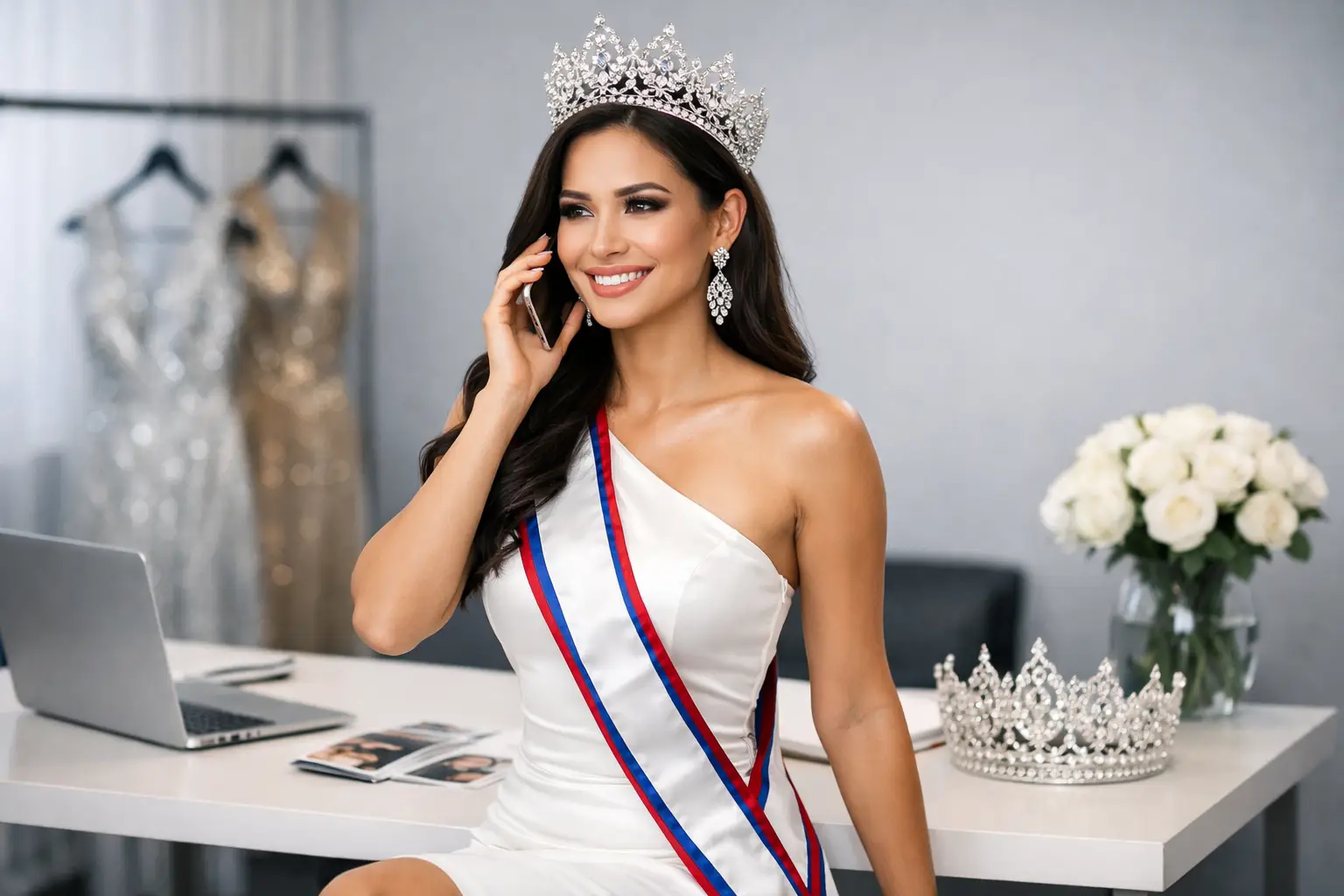
A crown may be presented onstage, but a memorable titleholder is recognized long before the final walk. Learning how to market yourself for pageants means showing judges, supporters, sponsors, and your community the full person behind the gown: your purpose, polish, professionalism, and presence.
The strongest contestant brands do not look copied from someone else’s social media feed. They feel clear. Whether you are competing in Teen, Miss, Mrs., Ms., Mr., or a Kids division with family support, your marketing should make it easy for people to understand what you stand for and why they should remember your name.
Start With a Brand That Is Bigger Than Your Wardrobe
Your wardrobe matters. A spectacular gown, sharp suit, or well-styled interview look can create a powerful first impression. But clothing alone is not a brand. Your brand is the emotional impression people carry after meeting you, seeing your content, or hearing you speak.
Begin by choosing three words you want associated with your name. They might be poised, service-driven, bold, compassionate, polished, energetic, entrepreneurial, or globally minded. Then ask whether your appearance, conversation, online presence, and community work support those words. If your message is confidence but every post apologizes for taking up space, there is a disconnect. If your platform is service but no one can see you participating in it, your purpose stays invisible.
A focused brand is easier to promote than a broad one. You can be passionate about many causes, talents, and interests, but choose one central message for the pageant season. A contestant who speaks clearly about youth literacy, veteran support, mental wellness, environmental responsibility, or cultural connection gives people a reason to follow her journey beyond competition day.
How to Market Yourself for Pageants With a Personal Story
Facts introduce you. Stories make people care. Instead of saying, “I support education,” share the moment that made education personal to you and the action you are taking because of it. Instead of listing that you are a mother, business owner, student, athlete, or volunteer, explain how that role shaped your vision of leadership.
Your story does not need to be dramatic to be meaningful. It needs to be true, specific, and connected to your mission. A great pageant story often follows a simple path: what you experienced, what you learned, and how you now serve or inspire others.
Practice sharing that story in versions of different lengths. You may need a 15-second introduction at an appearance, a 60-second answer in an interview, and a longer version for a sponsor meeting or media feature. Keep the heart of the message consistent, but let the setting guide the detail. A polished contestant knows when to be concise and when to invite people deeper into the conversation.
Make Social Media Feel Like an Invitation
Social media is one of the most visible ways to build recognition, but posting constantly is not the same as marketing well. Your goal is not to turn your page into a stream of pageant selfies. Your goal is to let supporters witness a titleholder in progress.
Show the different dimensions of your preparation: community appearances, platform work, interview practice, fitness routines, travel, gratitude for supporters, and behind-the-scenes moments of getting ready. Balance professional imagery with real personality. A beautifully styled photo can establish glamour; a thoughtful caption can establish substance.
Consistency matters more than perfection. Choose a realistic posting rhythm that you can maintain during school, work, family commitments, and preparation. If you are a parent supporting a child contestant, protect their privacy and keep accounts age-appropriate. Celebrate their accomplishments without sharing personal details that do not need to be public.
Every caption should have a purpose. It can inform people about an upcoming appearance, thank a local business, invite support for a cause, or share a lesson from your journey. Avoid vague posts that could belong to any contestant. Name the project, acknowledge the people involved, and give followers a reason to engage.
Be Seen Serving, Not Just Competing
Community visibility is where a contestant’s message becomes credible. Attend events that genuinely connect to your platform and your local audience. Volunteer consistently. Introduce yourself with confidence. Follow through when you say you will help.
This does not mean saying yes to every invitation. A calendar filled with unrelated appearances can dilute your brand and drain your energy. Prioritize opportunities where you can contribute, learn, meet community leaders, or create meaningful content around your mission. Quality relationships will carry more value than a long list of quick photo opportunities.
Bring titleholder-level professionalism to every event, even before you hold a title. Arrive on time, know the organization’s mission, dress appropriately for the setting, and thank hosts afterward. The people you meet at a charity event, school program, business opening, or cultural celebration may become advocates, sponsors, mentors, or members of your future audience.
Create a Sponsor-Ready Presence
Sponsors are not simply paying for a logo placement. The right sponsor is investing in visibility, goodwill, and an association with your image and values. Before reaching out, make sure you can explain what you offer in return.
A simple contestant media kit can include these four essentials:
- A polished headshot and a short professional biography
- Your platform statement and a few meaningful accomplishments
- Your audience reach, upcoming appearances, and social media highlights
- Clear sponsorship options or in-kind partnership opportunities
Keep your request specific. A boutique may be interested in formalwear promotion, a salon may value beauty content and event recognition, and a local restaurant may prefer visibility at a community fundraiser. Do not promise exposure you cannot deliver. A smaller but engaged audience, paired with reliable follow-through, is more valuable than inflated numbers and vague claims.
Personalize each outreach message. Explain why the business is a natural fit, mention what you admire about its community presence, and offer a concise proposal. After a partnership begins, make it easy for the sponsor to feel appreciated. Deliver agreed-upon recognition, share quality photos when appropriate, and send a sincere thank-you. That professionalism is what turns one partnership into a lasting relationship.
Treat Every Conversation Like Part of Your Presentation
Your marketing continues when the camera is off. The way you greet a volunteer, respond to a difficult question, thank a pageant director, or speak about another contestant becomes part of your reputation.
Practice a confident introduction that includes your name, division, platform, and a detail that makes you memorable. Keep it warm rather than overly rehearsed. When someone asks about your pageant journey, do not only talk about winning. Speak about the purpose, growth, and impact you hope to create. Ambition is powerful when it is paired with generosity.
This is especially meaningful on an international stage. At United Nations Pageants, contestants represent more than a personal goal. They enter a celebration of glamour, purpose, and global representation. Cultural curiosity, respect, and gracious conduct will always elevate your presence.
Build a Marketing Calendar Before the Season Gets Busy
Last-minute promotion often looks rushed because it is rushed. Map out your key dates early: entry deadlines, appearances, platform projects, sponsor outreach, photo sessions, wardrobe milestones, travel plans, and the competition itself. Then decide what content or outreach belongs around each moment.
Leave room for real life. A packed schedule can weaken your performance if it leaves no space for rest, preparation, or meaningful time with family. Marketing yourself well is not about being visible every hour. It is about appearing with energy, intention, and a message that feels fully yours.
The contestant people remember is not always the loudest person in the room. It is the one whose presence feels intentional, whose purpose feels real, and whose professionalism shines from the first introduction to the final spotlight.
Comments are closed