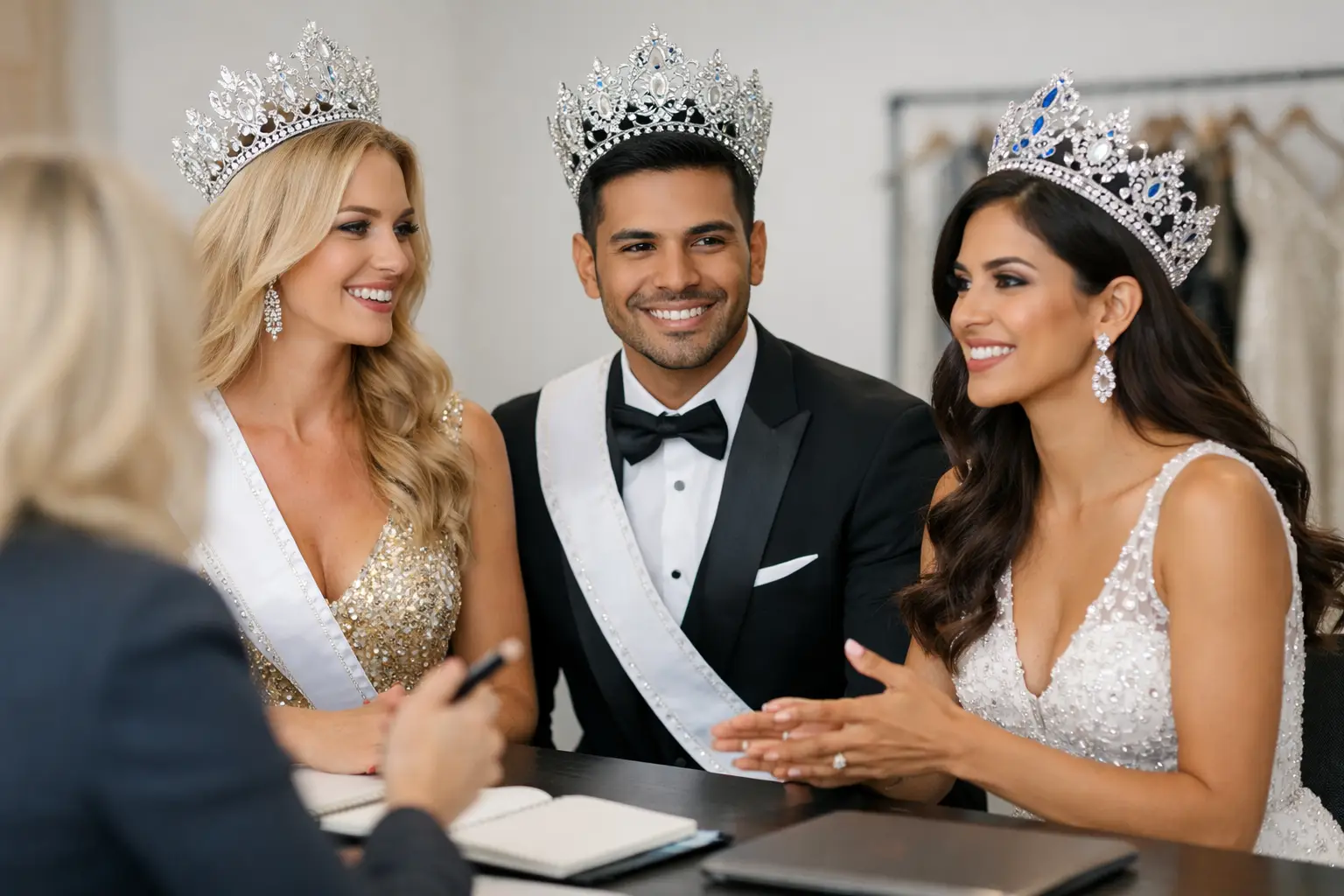
A polished headshot and a strong walk can open doors, but they rarely carry a contestant all the way to the crown. That is where a smart pageant coaching programs review becomes valuable. The right coaching program can sharpen stage presence, refine interview delivery, and help a contestant present her title-worthy brand with confidence. The wrong one can cost a great deal of money while leaving the contestant overwhelmed, over-rehearsed, or sounding exactly like everyone else.
For contestants, parents, and titleholders preparing for a major competition, the question is not simply whether coaching works. It is whether a specific program matches the level of competition, the contestant’s experience, and the result she is truly pursuing. Prestige matters. So does fit.
What a pageant coaching program should actually do
At its best, coaching brings clarity to a demanding process. Pageantry asks contestants to perform across multiple categories while also projecting poise, purpose, and personal distinction. A quality program helps connect those pieces so the contestant does not feel like she is preparing for five different competitions at once.
That means a coach should do more than correct posture or offer generic confidence advice. The strongest programs create structure around the full competitive picture. They help contestants understand scoring priorities, sharpen communication under pressure, and develop a presentation style that feels elevated rather than forced.
This matters even more on an international or highly visible stage, where judges are often responding to details that happen quickly – presence during introductions, control during transitions, the quality of eye contact in interview, and the contestant’s ability to sound polished without sounding rehearsed. Coaching should bring out excellence, not erase personality.
Pageant coaching programs review – what separates average from exceptional
The biggest difference between an average program and an exceptional one is personalization. Many coaching offers look impressive on paper. They promise runway, interview, wardrobe help, platform development, mindset training, and branding support. The issue is that not every contestant needs all of that at the same intensity.
A first-time Teen contestant may need foundational stage confidence and age-appropriate interview coaching. A Mrs. contestant may already have poise but need sharper messaging around her personal story and public image. A Mr. contestant may need a different balance of presentation training, fitness strategy, and speaking polish. Programs that treat every division the same tend to miss the mark.
Exceptional coaching also respects the pageant’s style. Some competitions reward a classic, polished presence. Others lean heavily into personality, social impact, or media readiness. Strong coaches understand the difference and prepare contestants for the room they are entering, not for an imaginary pageant that exists only in a workbook.
The other sign of quality is honest feedback. Contestants do not need endless praise. They need precise notes they can apply immediately. If a coach avoids difficult conversations about wardrobe, vocal delivery, facial expression, or stage habits, the program may feel supportive but still fail to produce results.
The core areas worth reviewing before you invest
Interview coaching is usually the first place to look. Crowns are often won or lost in conversation. A program should help the contestant answer with warmth, authority, and specificity. Strong interview coaching does not produce robotic sound bites. It builds comfort with pressure, follow-up questions, and unpredictable moments.
Runway and stage presence come next. This is not just about walking in heels or hitting a mark. It is about pace, posture, transitions, and how the contestant carries energy across the full stage. Some programs teach a flashy walk that looks exciting online but feels disconnected in actual competition. Others focus so heavily on control that the contestant loses sparkle. The ideal balance depends on the division and production style.
Wardrobe guidance can also be highly valuable, but it should stay strategic. Good coaching helps a contestant choose looks that flatter, photograph well, and suit the pageant’s image. Weak coaching can push expensive options that are trendy but wrong for the contestant’s frame, personality, or scoring opportunities.
Platform and brand development matter more than many new contestants expect. Judges remember contestants who know who they are, what they represent, and why they belong on that stage. A strong coaching program helps define that message without turning it into a slogan that feels borrowed.
Finally, mindset support deserves real attention. Competition days are long, emotional, and unpredictable. Coaching that includes composure training, rehearsal strategy, and realistic mental preparation can be just as powerful as technique work.
Red flags in a pageant coaching programs review
The first red flag is one-size-fits-all language. If every contestant is promised the same transformation, the program may be built more for sales than for results. Serious competitors need tailored preparation.
The second is overemphasis on image without equal attention to substance. Glamour absolutely matters in pageantry. It is part of the excitement, the visibility, and the spectacle. But image alone does not carry a contestant through interview, onstage questions, appearances, or titleholder responsibilities. A program should strengthen the whole candidate.
Another warning sign is vague credentials. A coach does not need to have won every title to be effective, but they should be able to explain their experience clearly. Contestants deserve to know whether they are learning from a former titleholder, judge, producer, speaker, stylist, or trainer – and how that background translates into actual coaching value.
Watch for programs that create dependency instead of growth. The goal is not to make a contestant feel lost without constant paid input. The goal is to help her become sharper, more self-assured, and more competition-ready each time she steps on stage.
Online coaching versus in-person preparation
This choice depends on the contestant’s schedule, budget, and learning style. Online coaching is convenient and often more accessible for busy families or international contestants. It can work especially well for interview prep, messaging, confidence work, and detailed verbal feedback.
In-person coaching tends to be stronger for runway, physical presentation, and real-time stage correction. A coach can see posture, gestures, turns, and transitions more fully in the room than on a screen. For contestants preparing for a spectacular live finals experience, that hands-on rehearsal can be a real advantage.
Still, online does not automatically mean lower quality, and in-person does not automatically mean elite. The better question is whether the format supports the contestant’s actual needs. Some of the strongest preparation plans combine both.
How families and contestants can judge value, not just price
High-ticket coaching is not always the best coaching. Lower-cost coaching is not always a bargain. The real value comes from whether the program improves performance in measurable ways.
Before committing, contestants should understand how sessions are structured, whether feedback is individualized, how progress is assessed, and what happens between appointments. A glamorous sales pitch can be exciting, but preparation needs substance behind the shine.
It also helps to ask what is included versus what is constantly upsold. Some programs advertise a comprehensive experience, then add extra charges for mock interviews, wardrobe reviews, competition-week support, or personalized critiques. Clear expectations protect both confidence and budget.
For parents of younger contestants, value also includes the coach’s communication style. A strong youth coach knows how to build confidence without adding pressure. That balance is especially important in Kids and Teen divisions, where development should feel empowering, not exhausting.
Who benefits most from coaching
Not every contestant needs the same level of support. A seasoned titleholder may only need a few strategic sessions to sharpen interview performance before a major event. A first-time contestant may benefit from a more complete program that covers stage fundamentals, communication, and personal presentation.
Coaching tends to be most effective for contestants entering a more competitive arena than they have experienced before. The jump from local to state, state to national, or national to world-level competition is often where preparation gaps become visible. A polished, structured coaching plan can make that transition feel exciting rather than intimidating.
For contestants preparing for a global-facing pageant environment, coaching can also help refine how glamour and purpose work together. The most memorable titleholders do not just look ready for the spotlight. They sound ready for the responsibility that comes with it.
A standout program should leave a contestant more confident, more focused, and more authentically herself. That is the standard worth using in any review. The best coaching does not create a pageant copy of someone else’s winner. It helps reveal the most compelling, polished, and competitive version of the contestant already waiting to take the stage.
Comments are closed